

 DE
DE VN
VN KOR
KOR 中文
中文
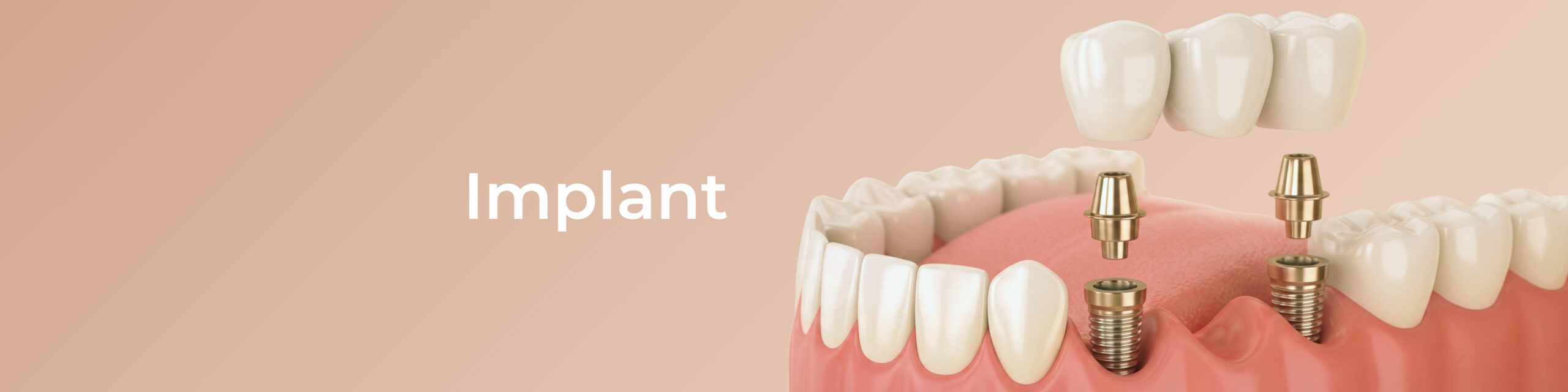

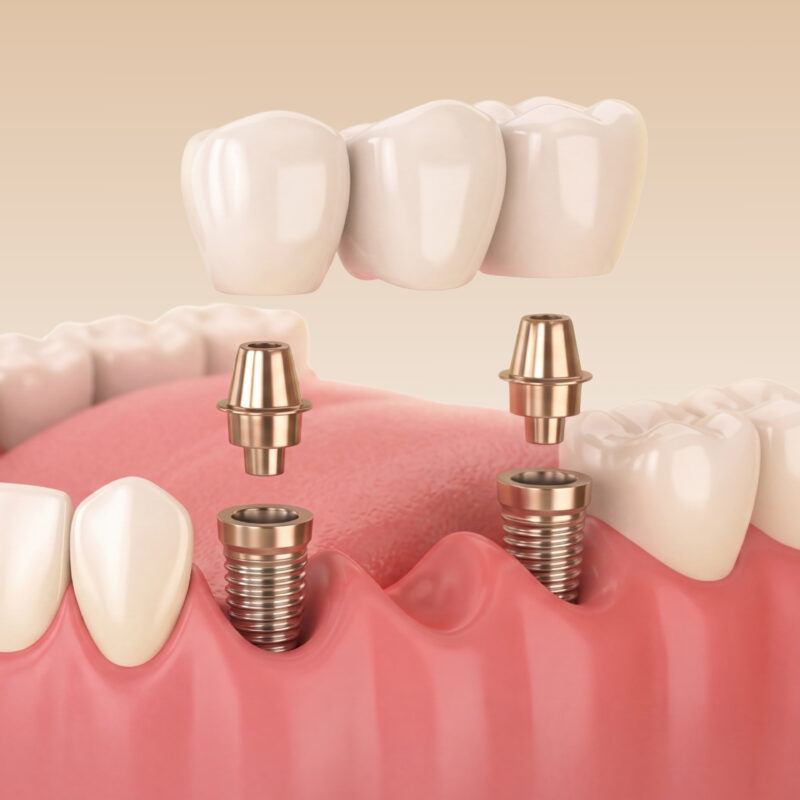
Dental implant treatment is considered one of the most significant advances in modern dentistry. It is a comprehensive tooth replacement solution that restores both the tooth root and the visible crown.
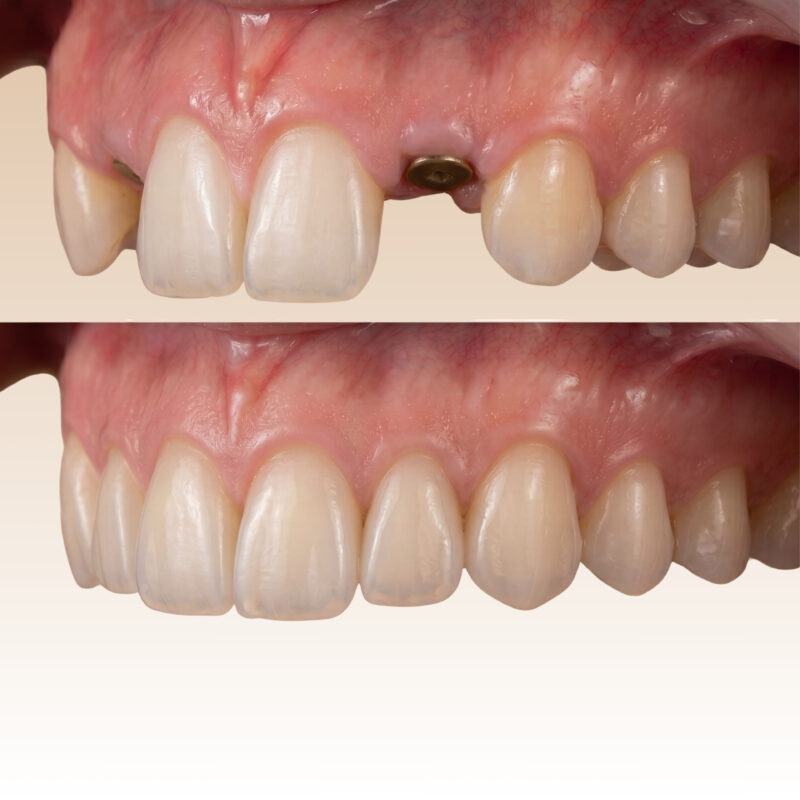
Crowns replace missing teeth, looking and feeling natural. Works for single teeth, bridges, or full arches.
Titanium integrates with bone for stability. Excellent long-term success with proper care.
Better chewing and speaking than removable options. Significantly improves confidence and quality of life.
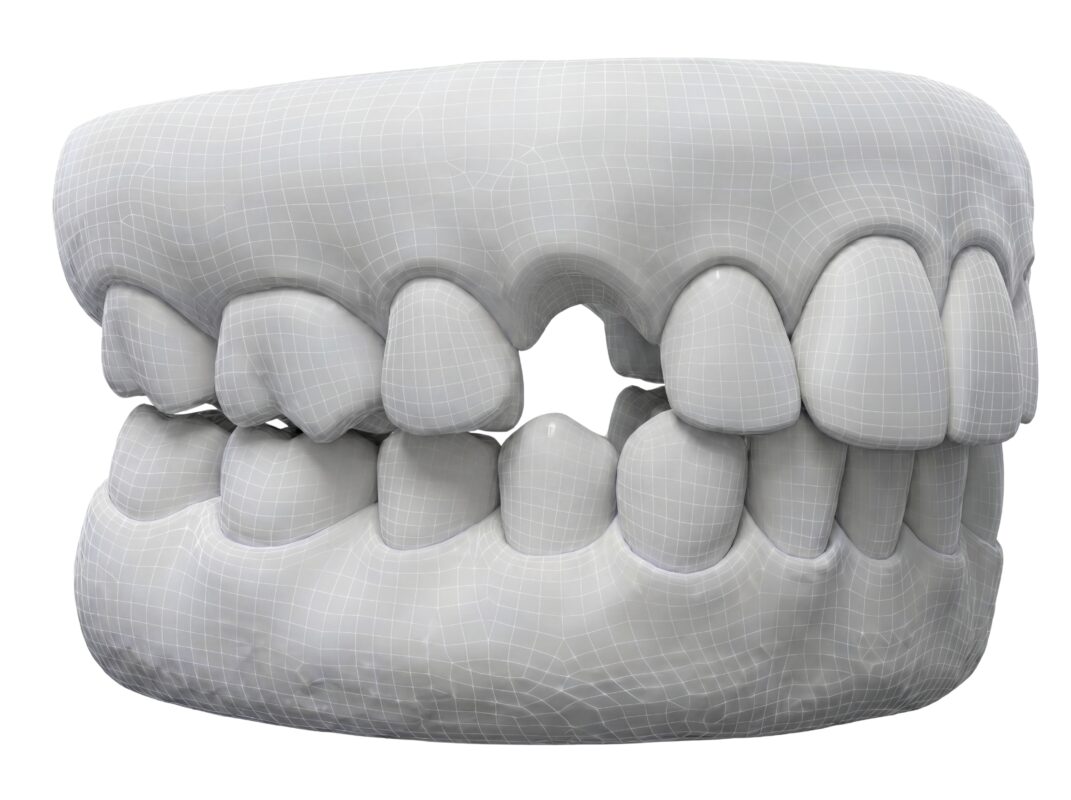
Replace single teeth or multiple missing teeth with strong support.
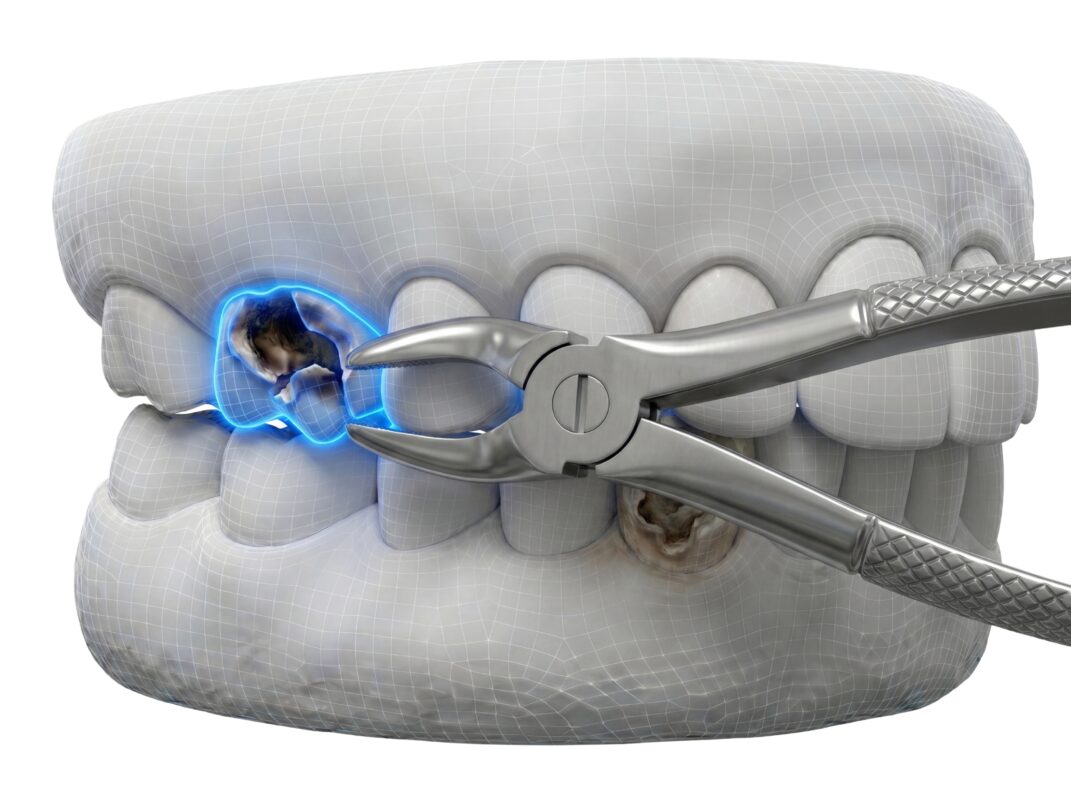
Immediate placement may be possible in selected cases.
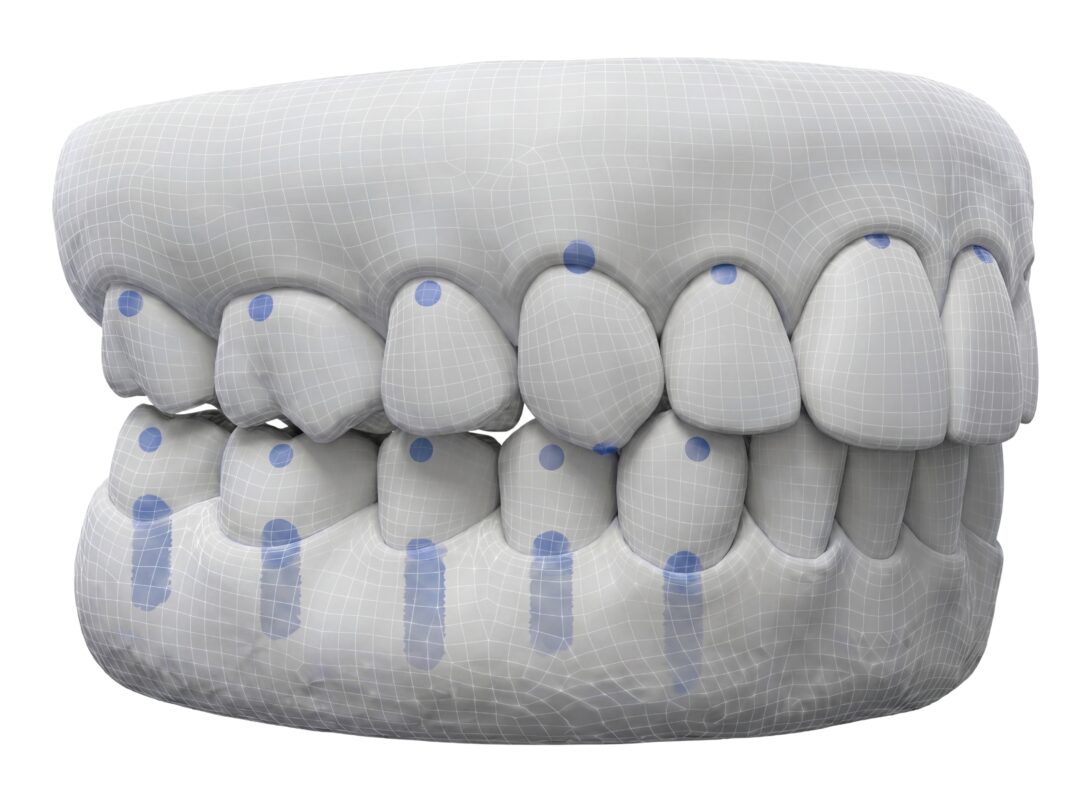
A durable option with strong stability when maintained well.
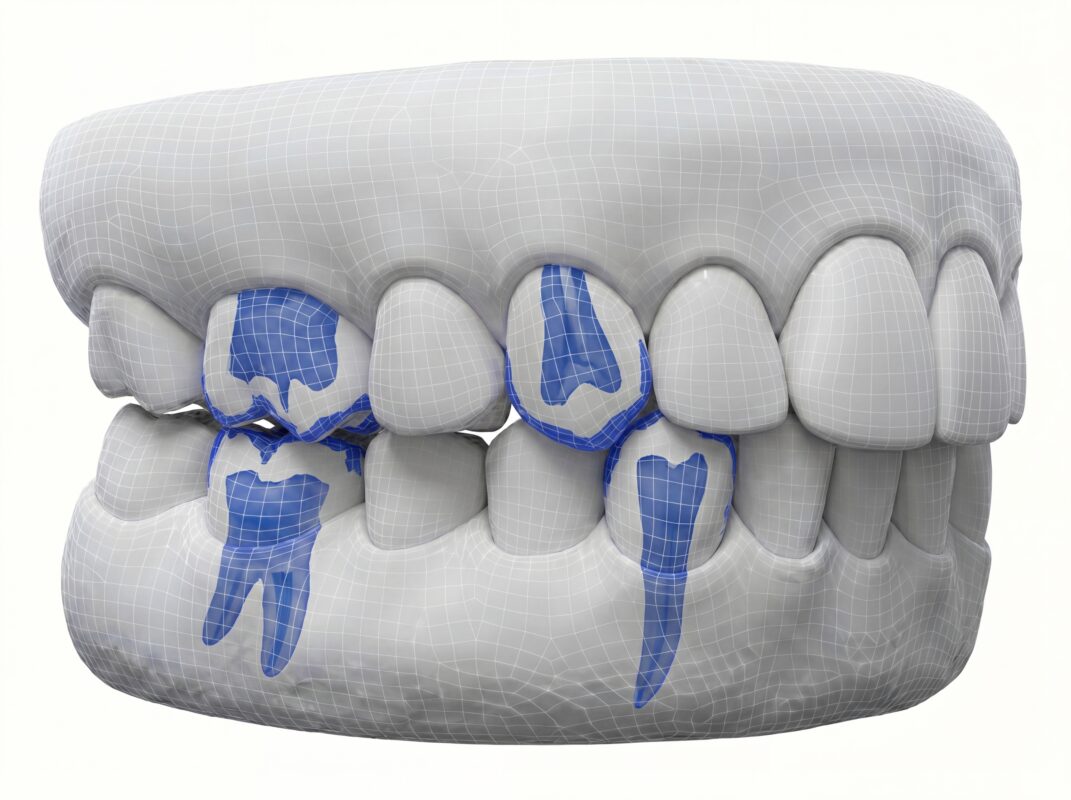
Upgrade to implant-supported solutions for better stability.
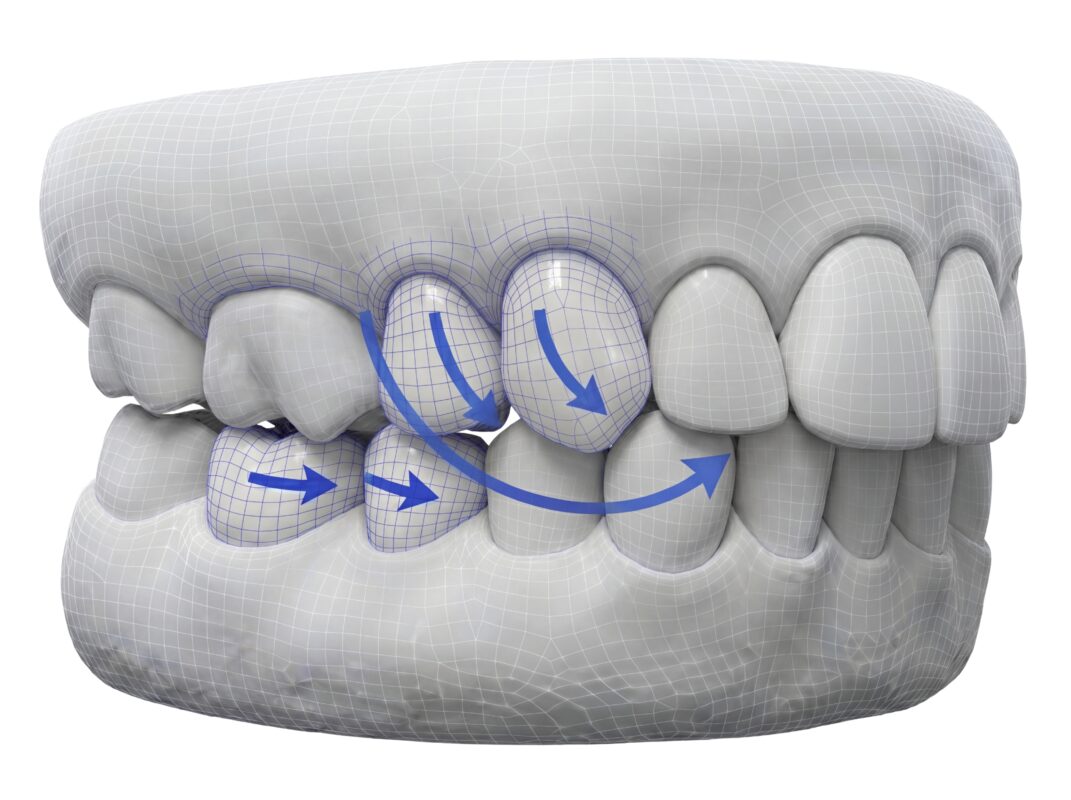
Implants can support fixed bridges or implant-retained dentures.
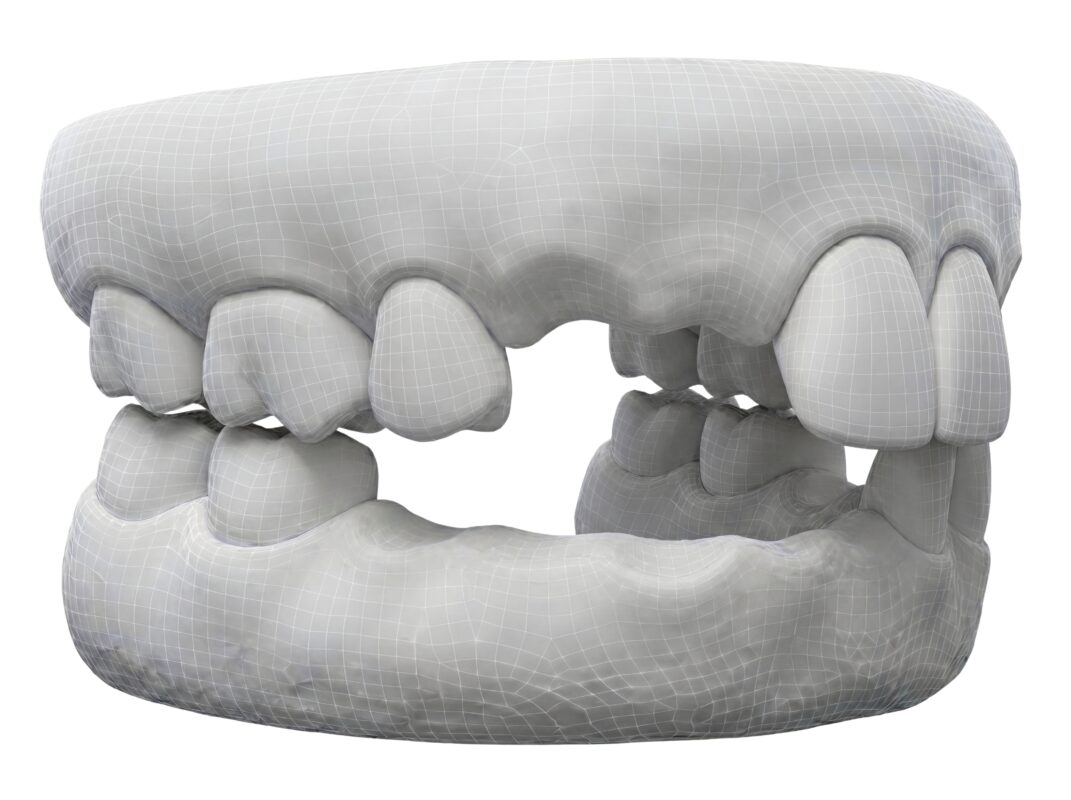
May require bone grafting and specialized planning.
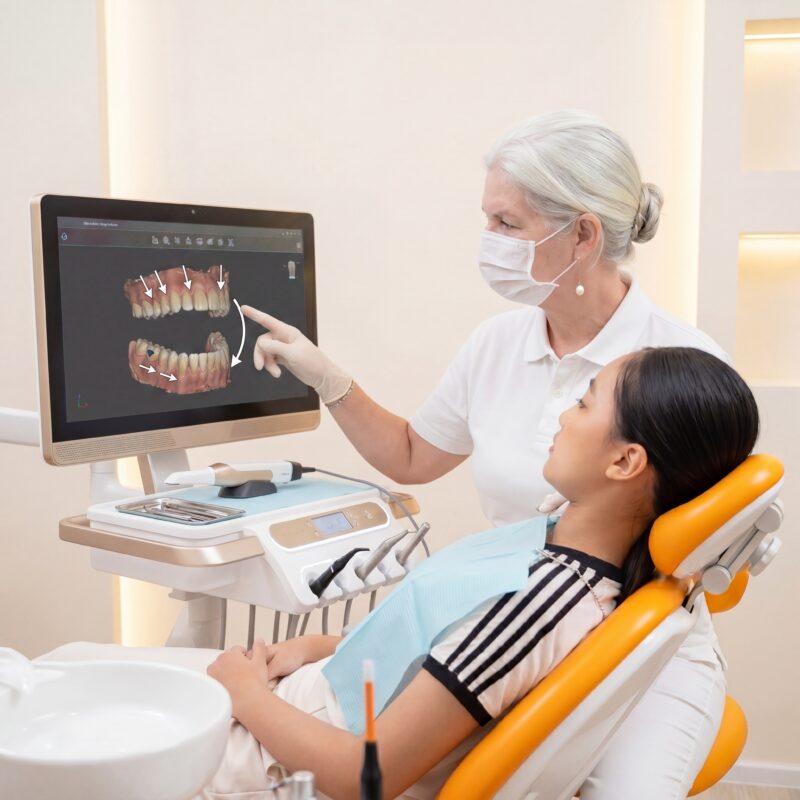
Clinical exam, X-rays/CBCT when indicated, and planning for your implant position and bite.

If a tooth must be removed, implants may be placed immediately in selected cases.
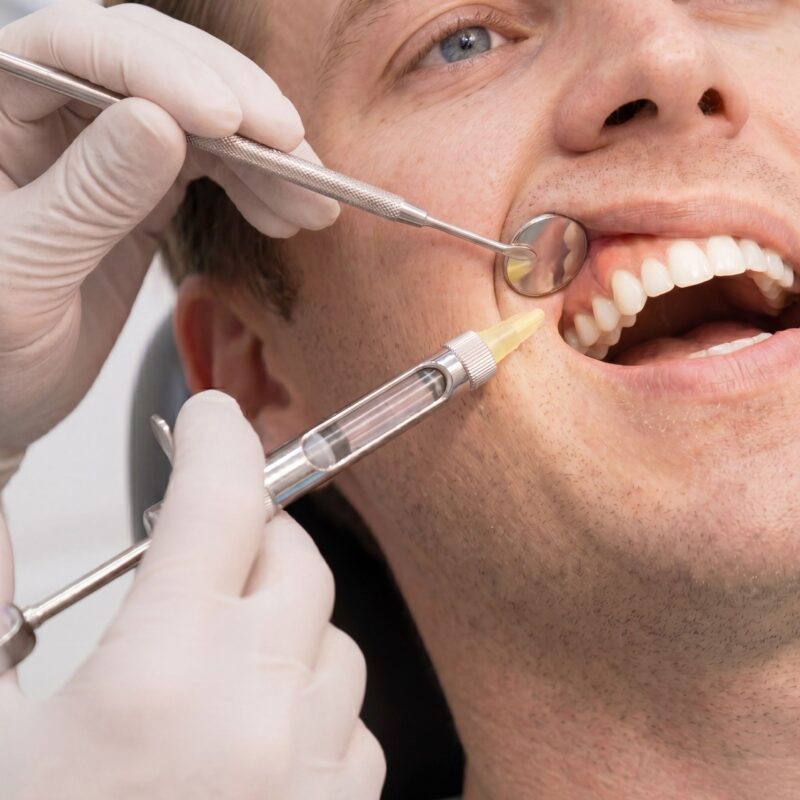
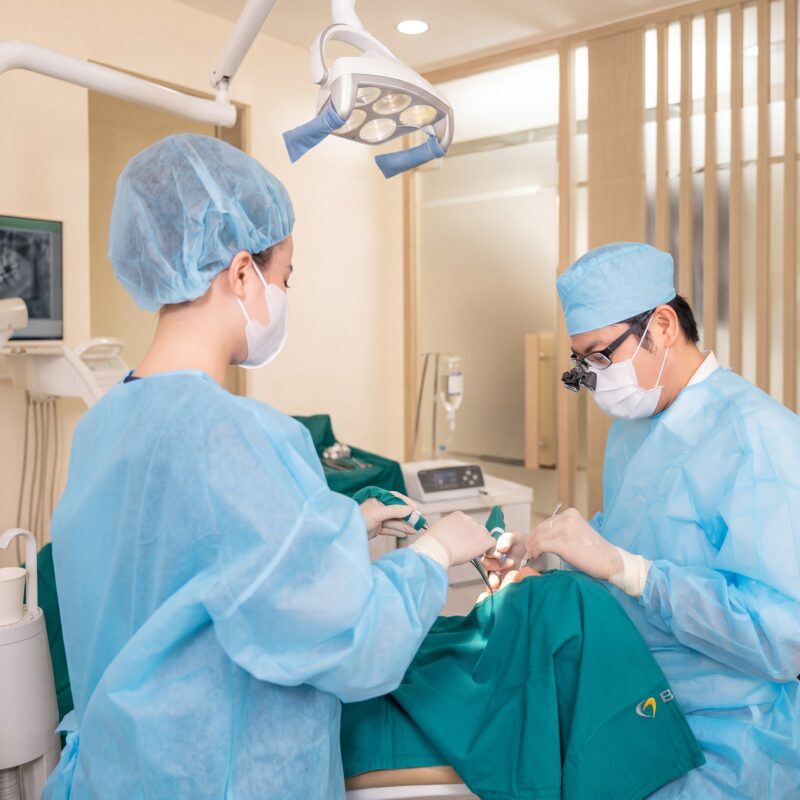
A titanium post is placed into the jawbone under anesthesia (typically local anesthesia).

Over several weeks, the jawbone heals and integrates with the implant for strong stability.
A ceramic crown (or bridge) is attached—often screw-retained and removable later if necessary.
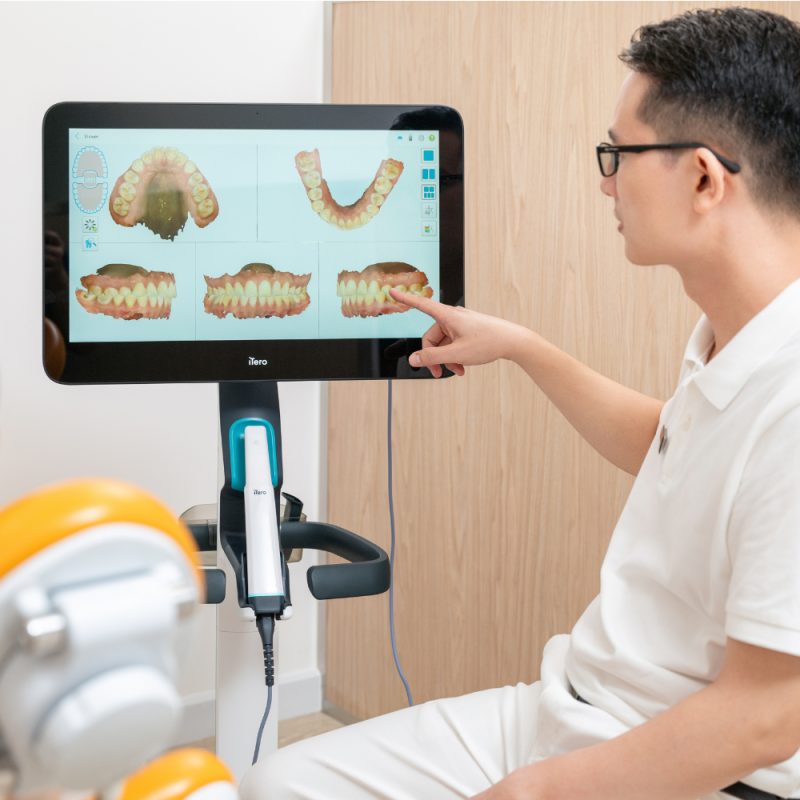
Regular check-ups and hygiene help protect the implant and surrounding tissues long-term.
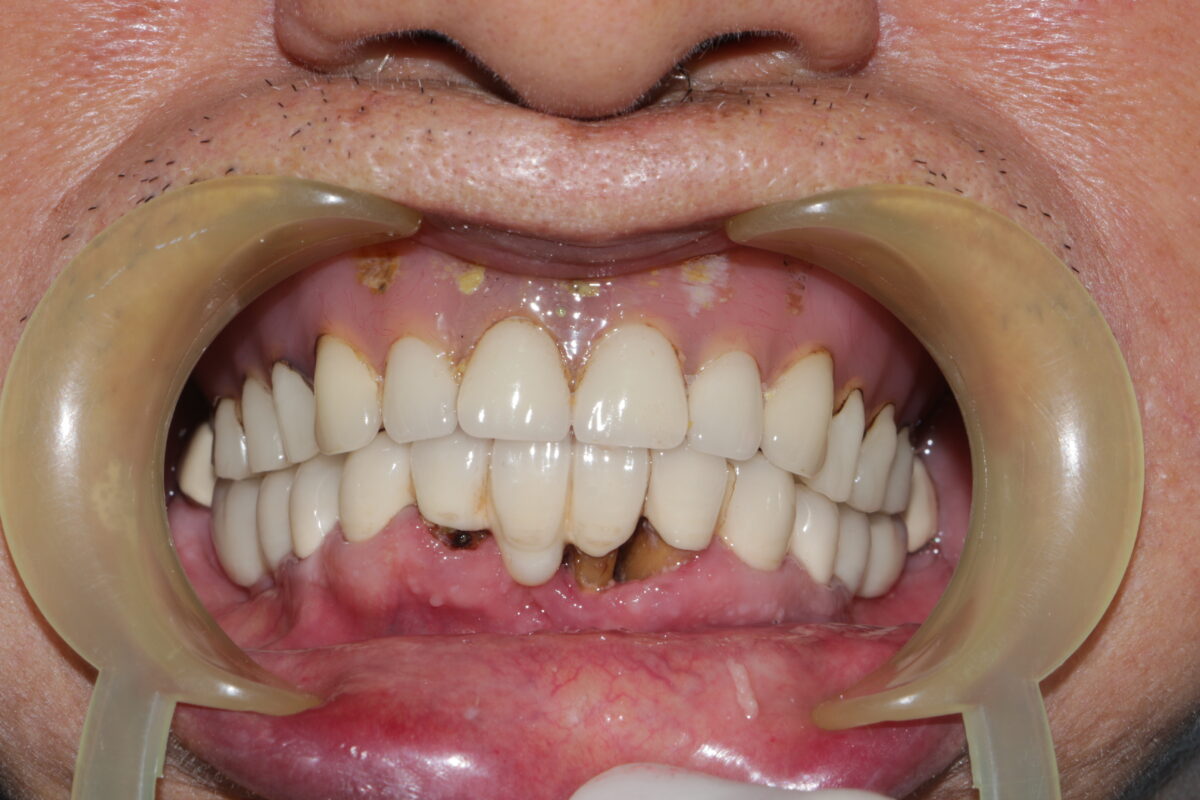
Before
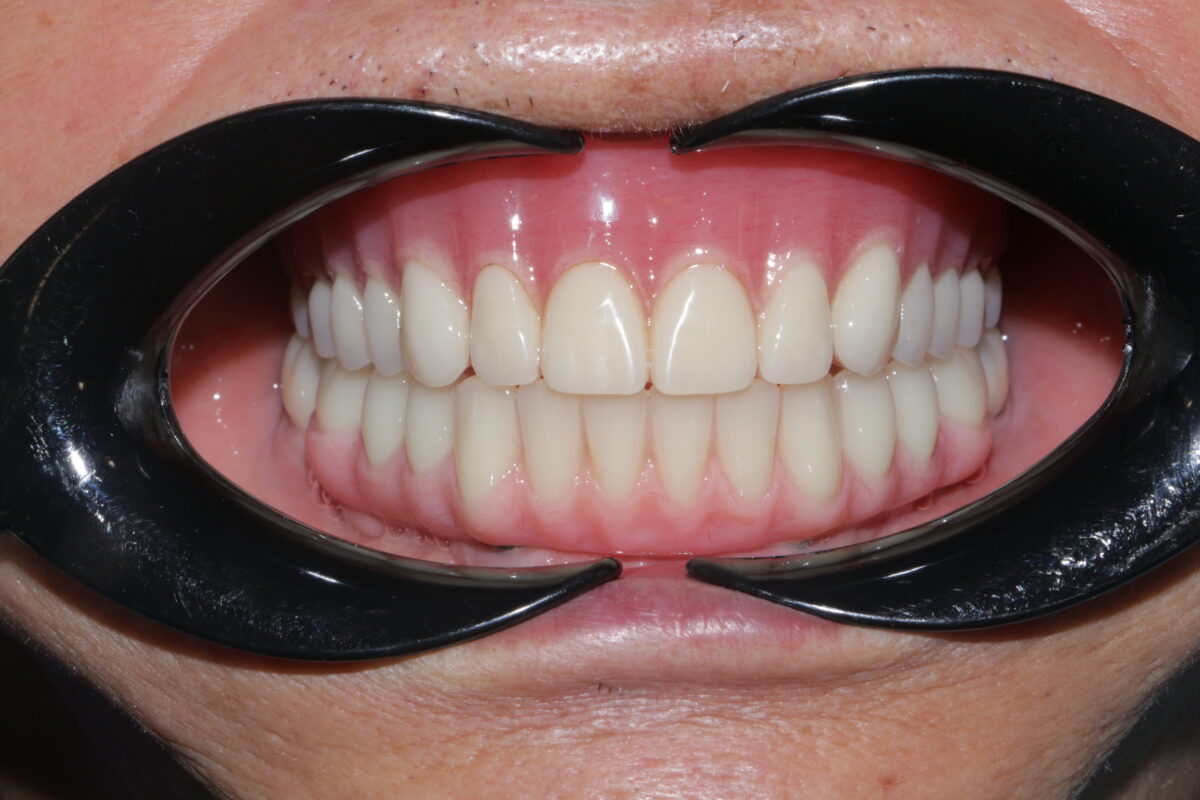
After
Can’t find the answer you’re looking for? Please contact our friendly team.
Implant placement is typically minimally painful. Most patients feel little to no pain the next day, with only mild swelling around the site.
Most cases are done with local anesthesia. In complex situations (e.g., significant bone loss requiring bone grafting), the procedure may be performed under general anesthesia in a hospital setting.
Clinical studies have shown implants can last up to 25 years. Success rates are often reported above 95%, with 10-year stability commonly 85–95%, depending on patient factors and maintenance.
The most common cause is infection leading to bone loss around the implant, known as peri-implantitis—more common in patients with poor oral hygiene and smokers. Risks can be higher for smoking, heavy alcohol use, diabetes, and periodontitis.
Implant treatment includes multiple appointments, surgical placement, possible bone grafting, and lab work to design the implant crown/bridge—making it a long-term investment in function and stability.
Yes. Implants can support fixed bridges or implant-retained dentures, often creating a much more comfortable chewing experience.