

 DE
DE VN
VN KOR
KOR 中文
中文
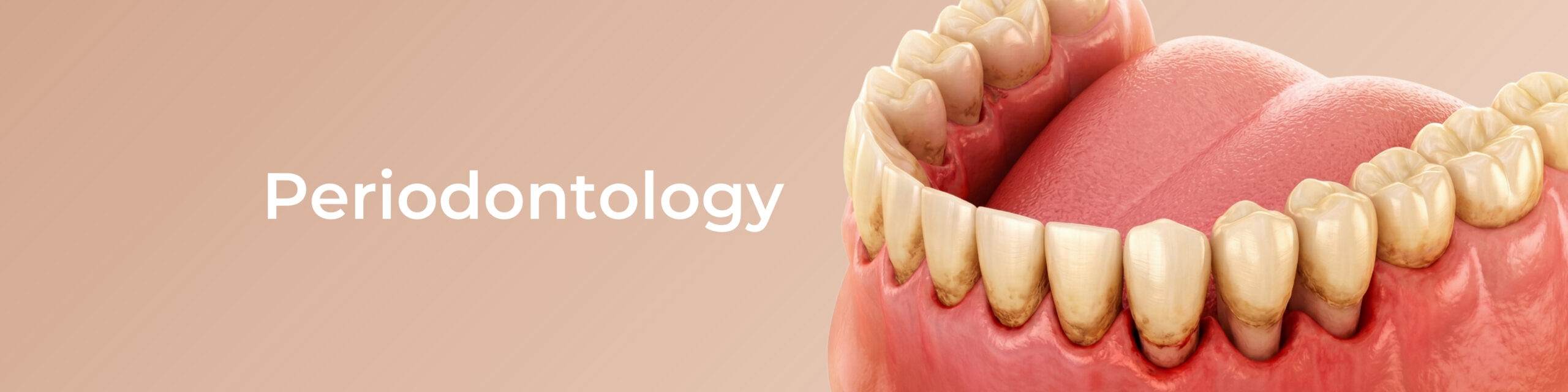

Periodontal treatment is not merely about protecting your teeth—it's about protecting the solid "foundation" of your smile.
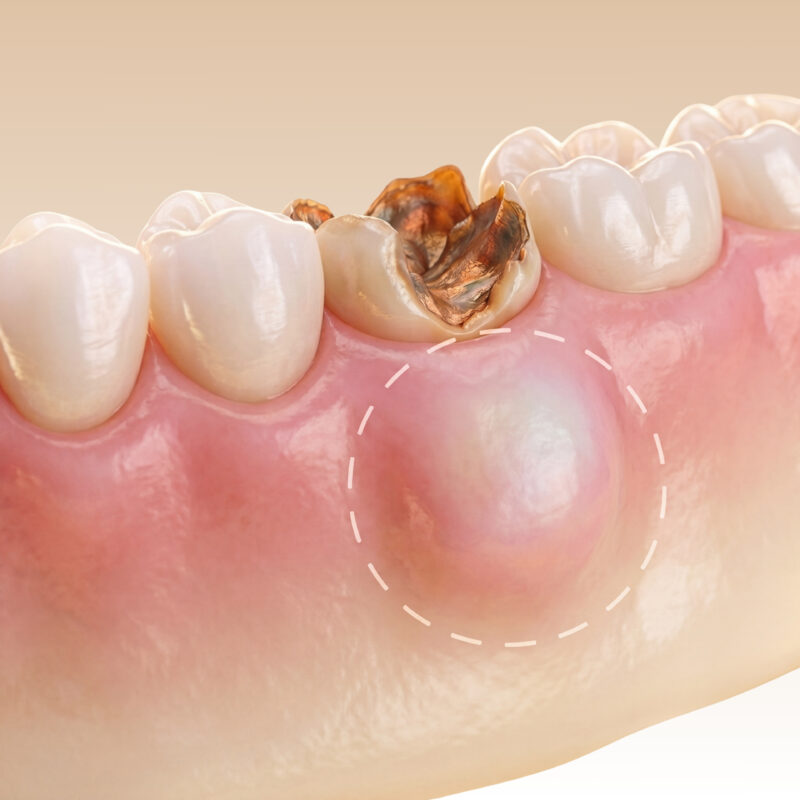
Control bacterial infection causing gum inflammation and bleeding.

Help prevent bone loss and tooth mobility caused by periodontal disease.
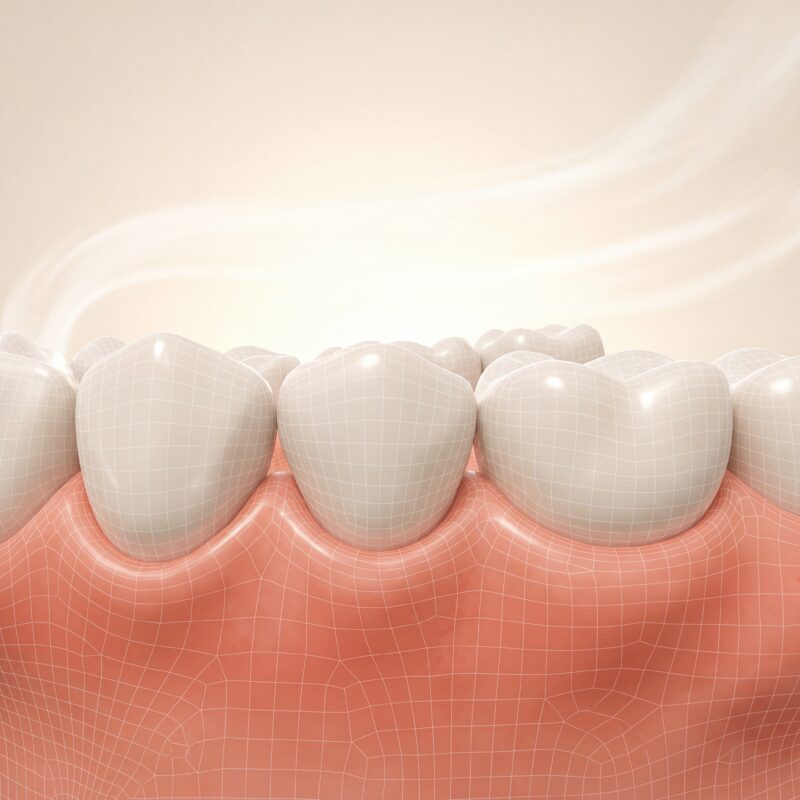
Reduce bad breath and discomfort associated with gum disease.
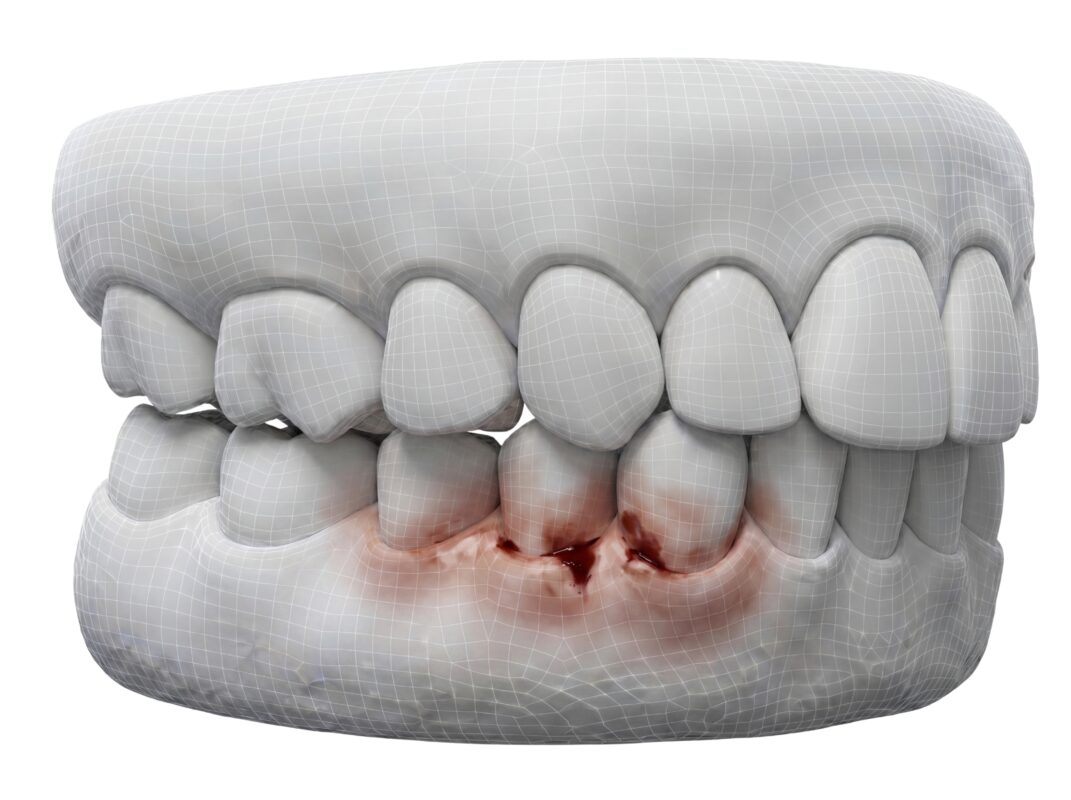
Bleeding when brushing teeth or using dental floss.
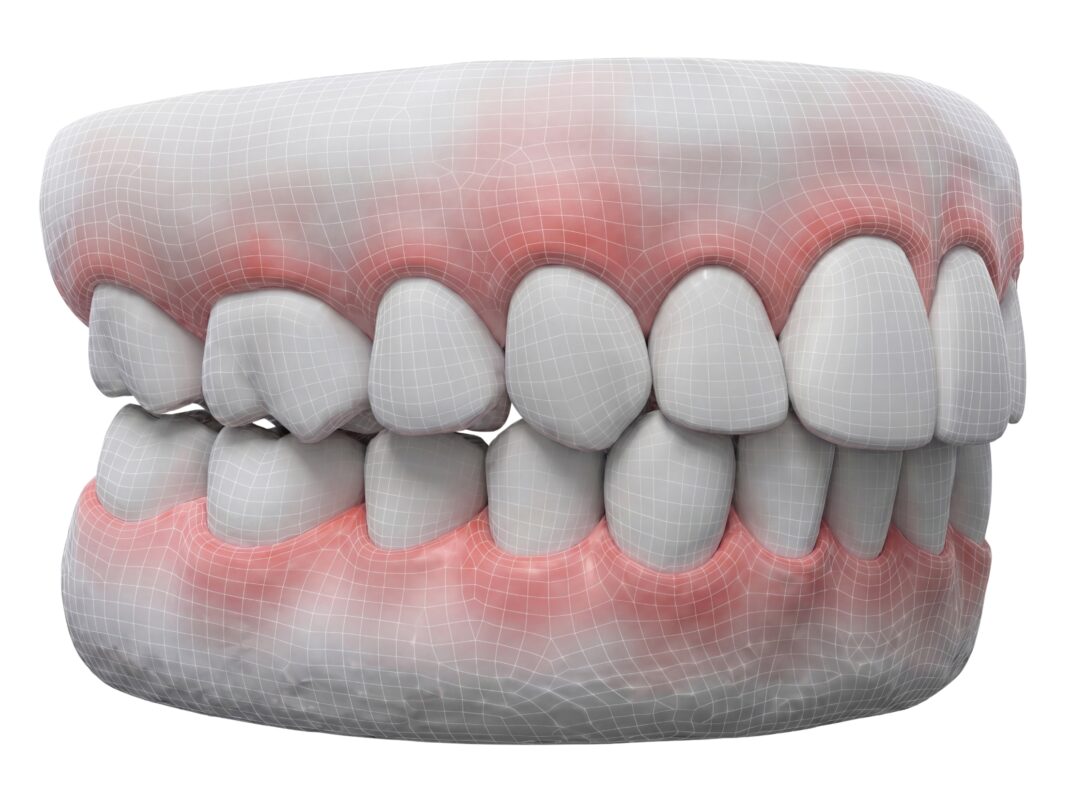
Redness, sensitivity, or irritation.
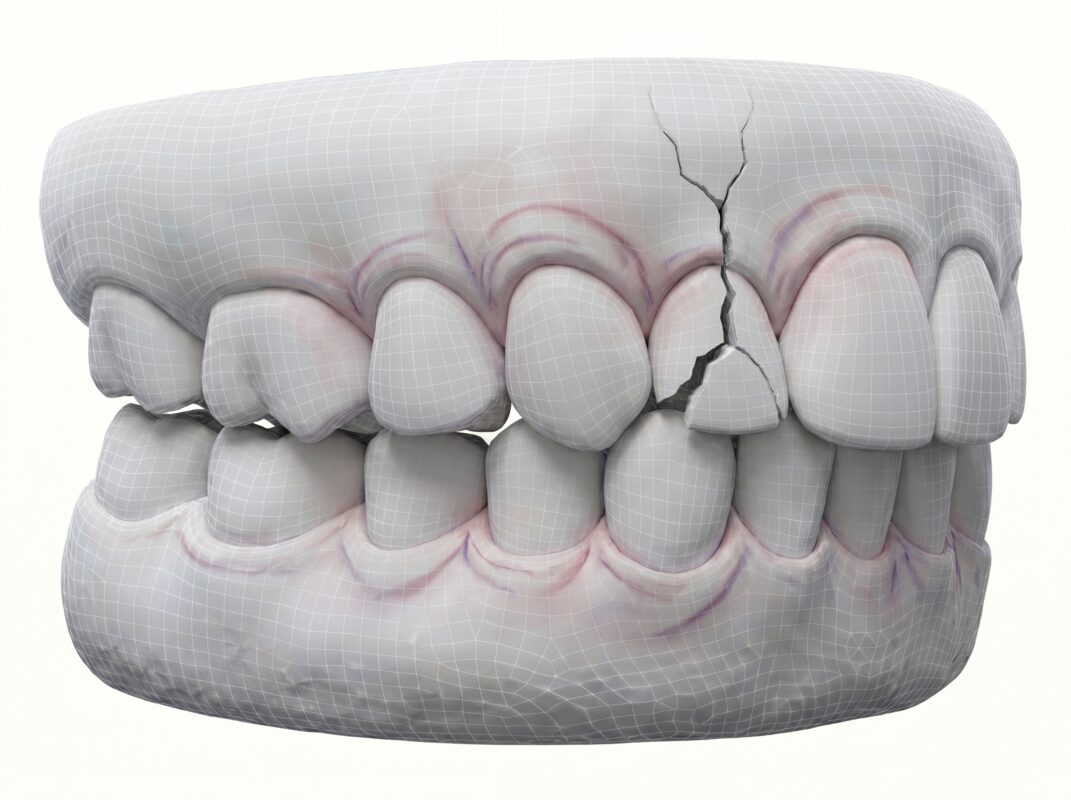
May indicate bone loss and progressive periodontal disease.
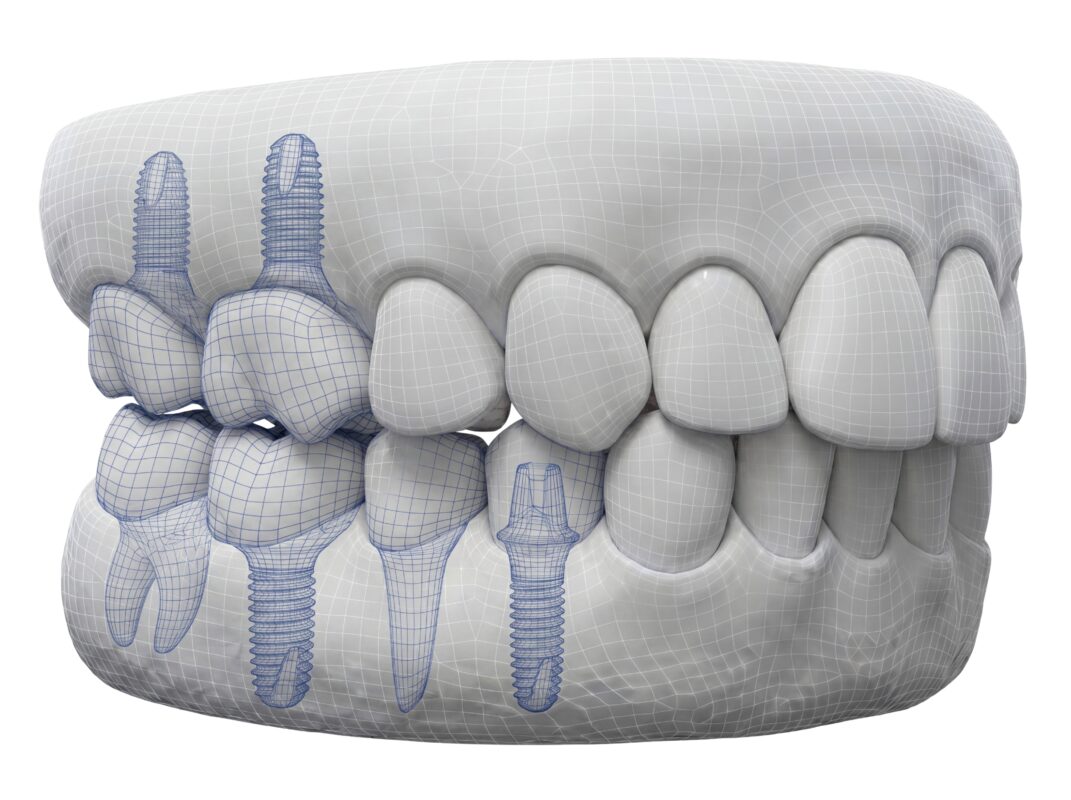
Gum health is essential for long-term treatment outcomes.
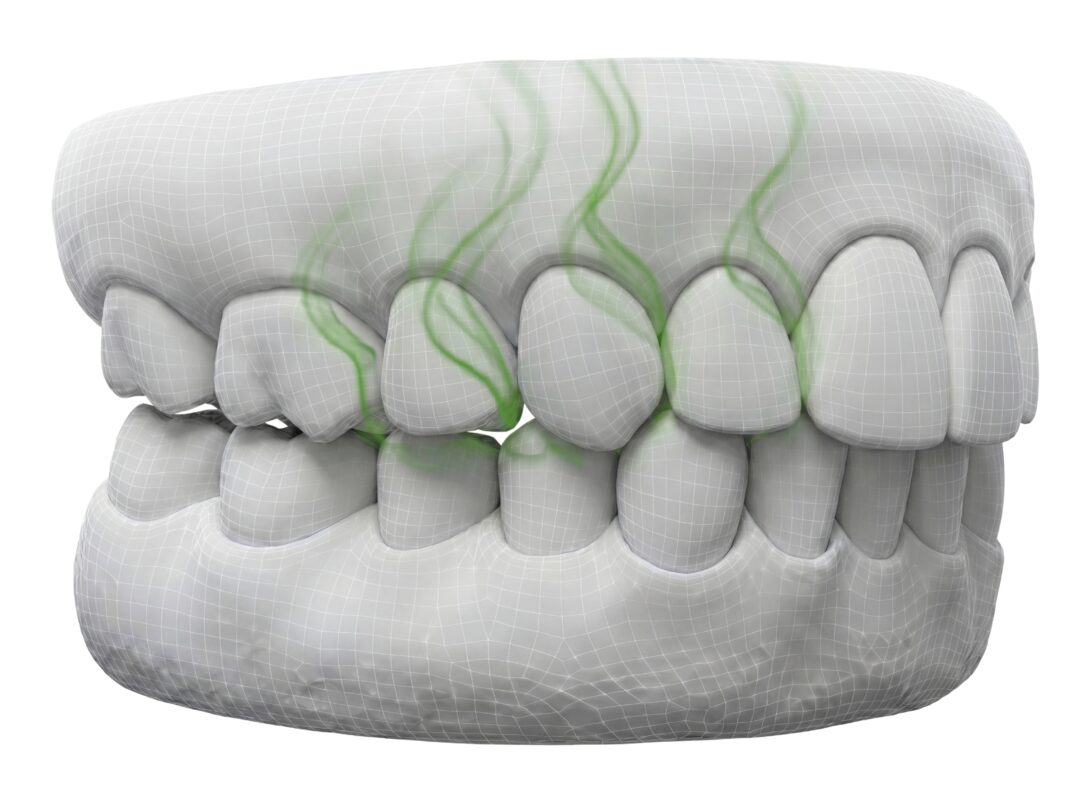
Bad breath caused by bacterial buildup on teeth.
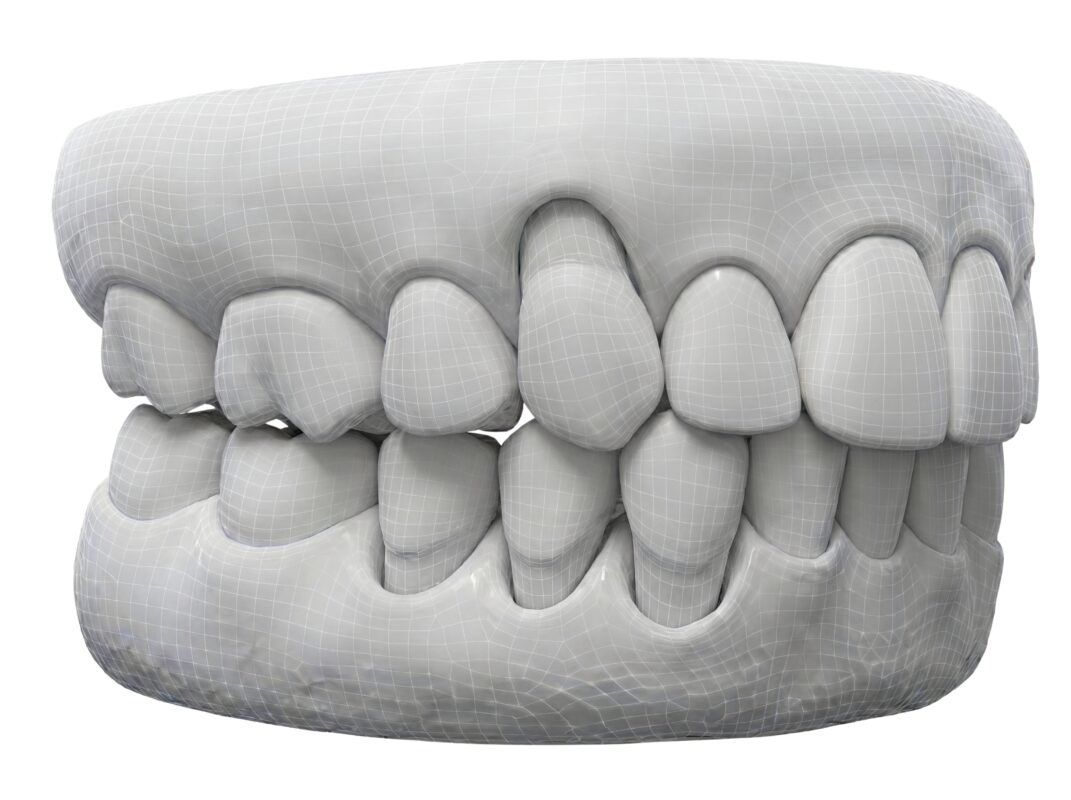
Teeth appear longer, root exposure, or tooth sensitivity.
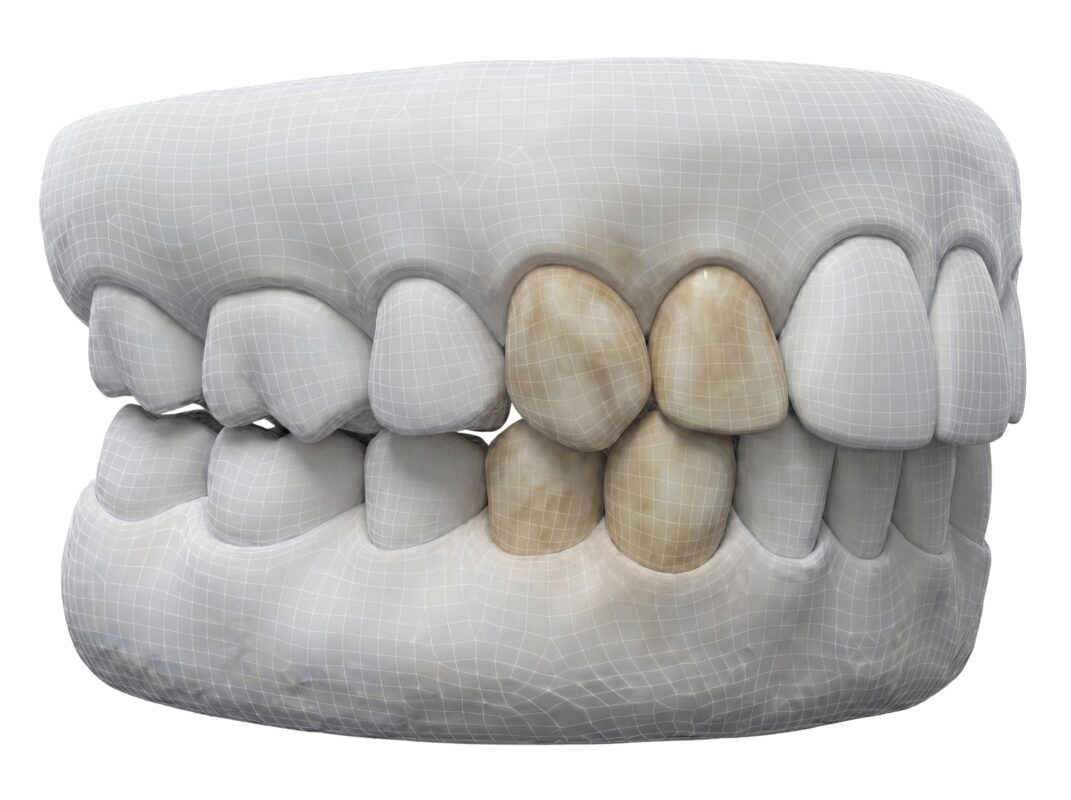
Higher risk of periodontal damage and disease recurrence.
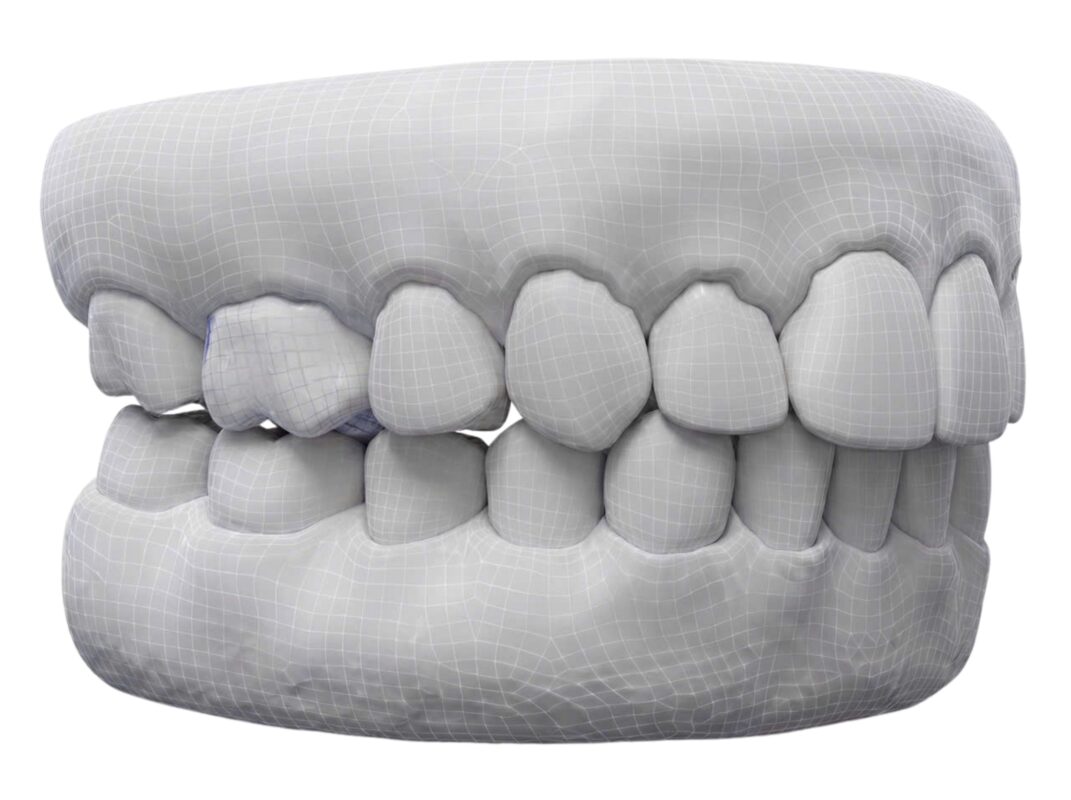
Maintenance care to prevent recurrence.

Gum examination, probing pocket depth, diagnostic tests to evaluate gum/bone health.

X-rays assess bone level and identify potential infection areas.
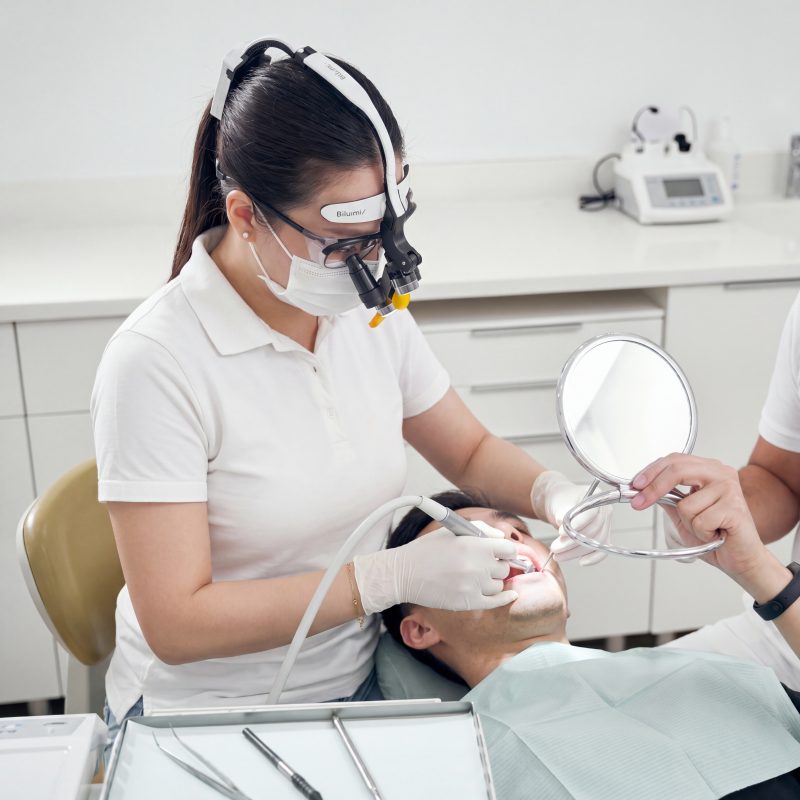
Remove plaque/tartar below gum line and smooth root surfaces to reduce bacterial buildup.

Monitor wound healing and inflammation reduction; additional care may be needed for severe cases.
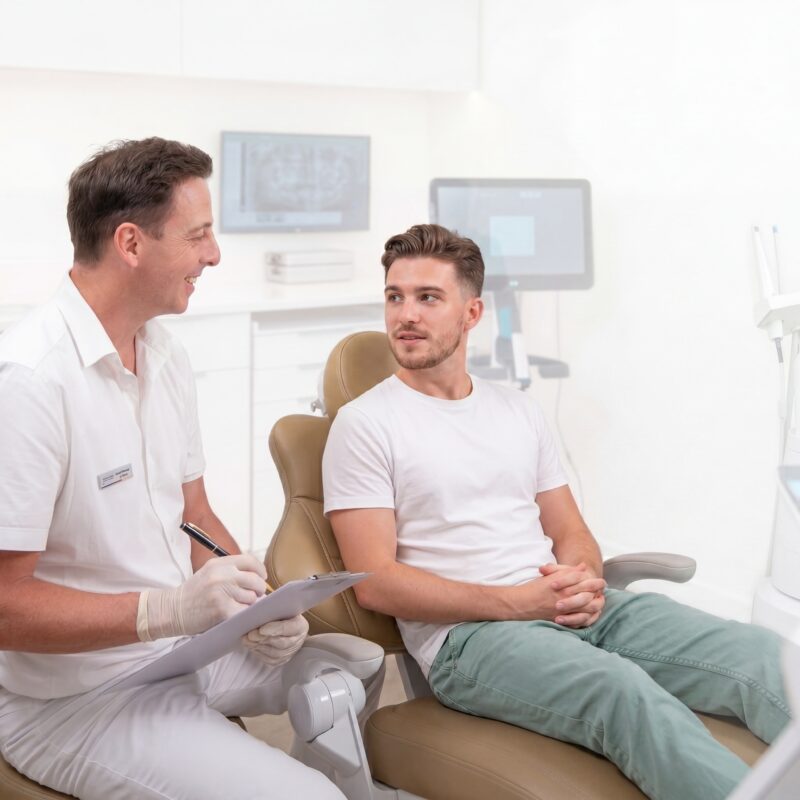
Personalized oral hygiene instructions and regular maintenance visits to prevent recurrence.
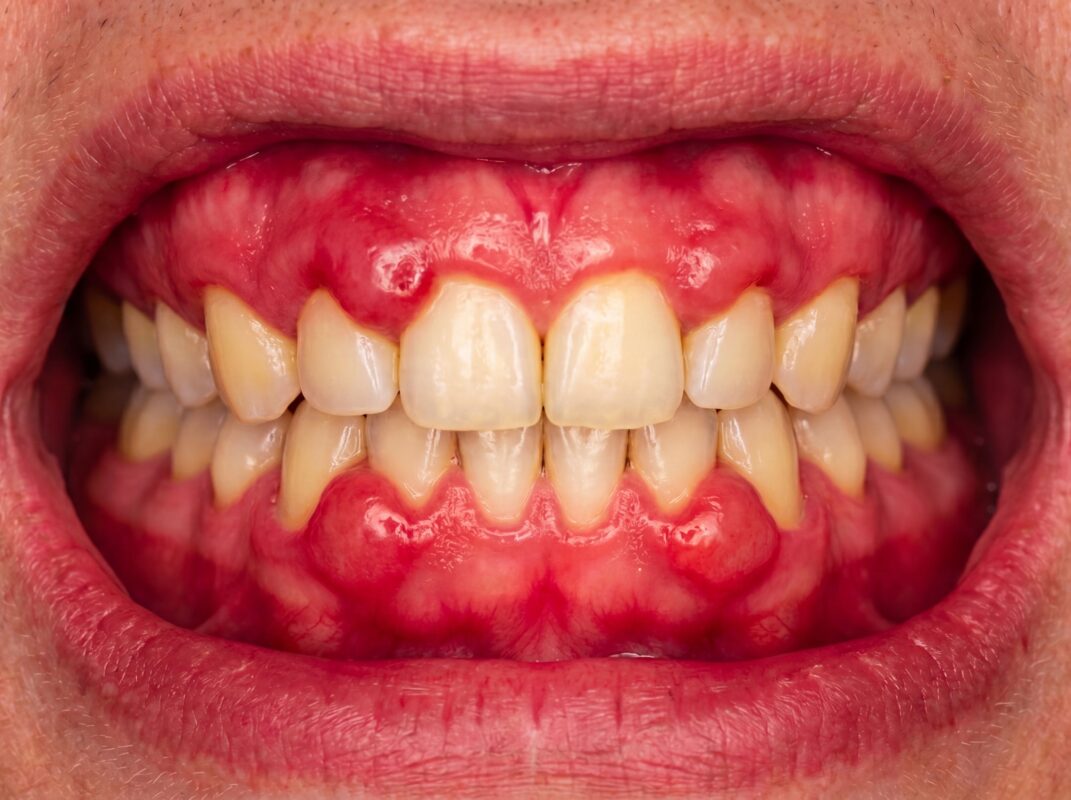
Before
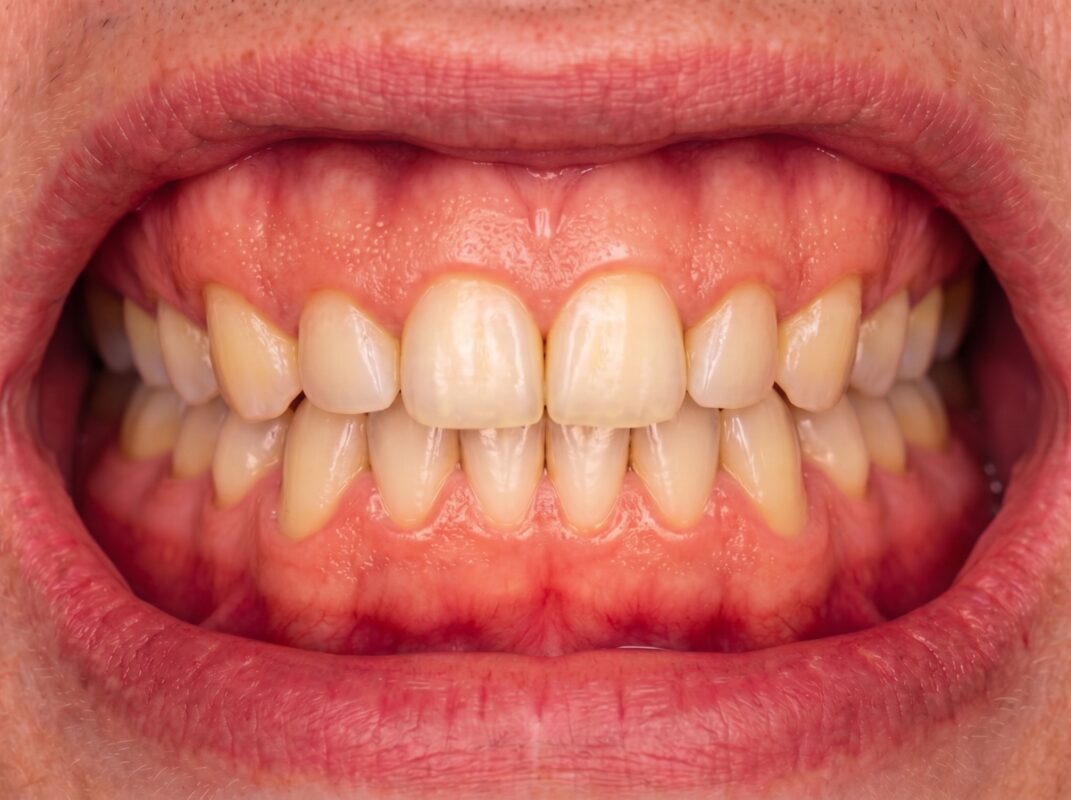
After
Can't find the answer you're looking for? Please contact our friendly support team.
Gingivitis is early-stage gum inflammation and is typically reversible. Periodontitis is more advanced and can cause bone loss and tooth mobility.
Yes. Early-stage gum disease can be cured, and advanced stages can be managed through professional treatment and regular maintenance.
Most patients find this condition manageable. If gums are inflamed or periodontal pockets are deep, pain management measures can be applied.
Yes, bacteria below the gum line are usually the cause of persistent bad breath. Treatment typically results in significant improvement.
Gum recession may not fully resolve on its own. Treatment focuses on halting progression; in some cases, surgical options may be considered.
This depends on your condition and risk factors. Many periodontal patients benefit from more frequent maintenance care compared to standard periodic cleanings.