

 DE
DE VN
VN KOR
KOR 中文
中文

Regular check-ups and scaling (usually every 6 months) are the simplest and most effective way to protect your oral health.

Removes decay/infection source causing toothache. Prevents spread to surrounding tissues.
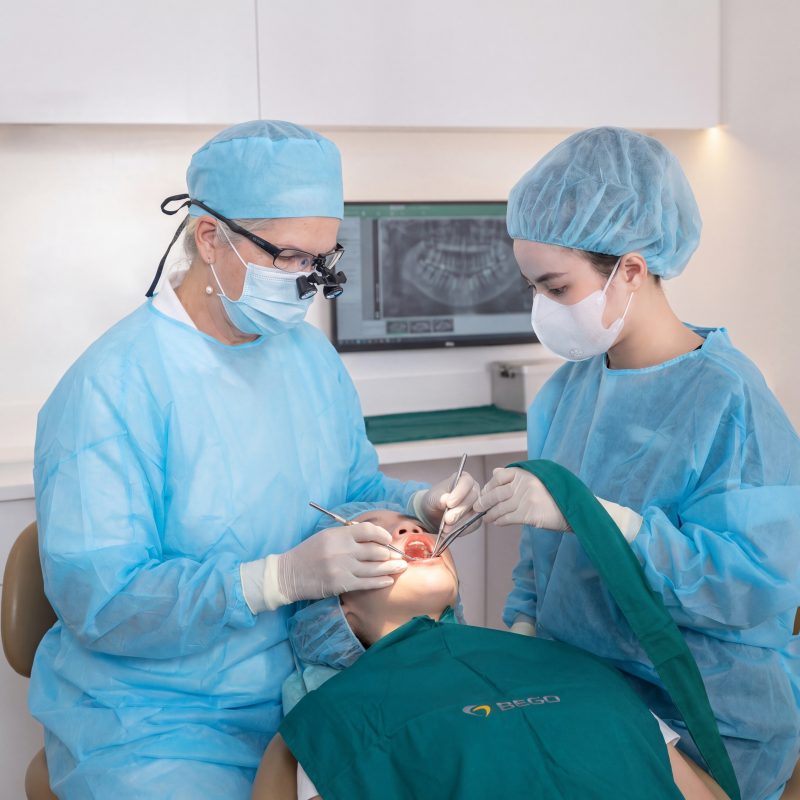
Preserves natural tooth structure. Maintains natural bite and chewing efficiency.
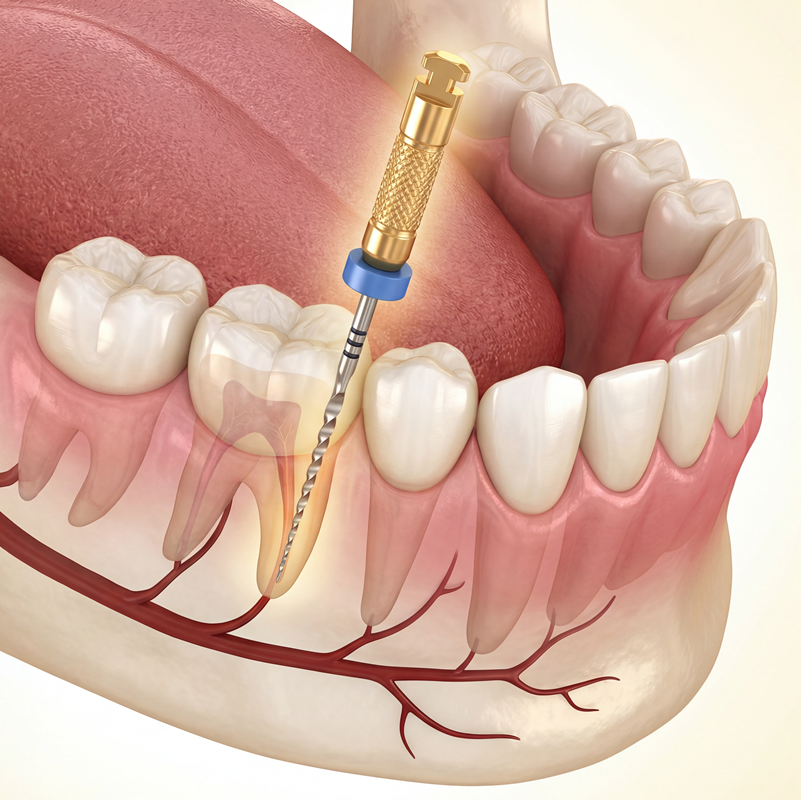
Modern techniques and anesthesia ensure comfort. Precise sealing reduces reinfection risk.
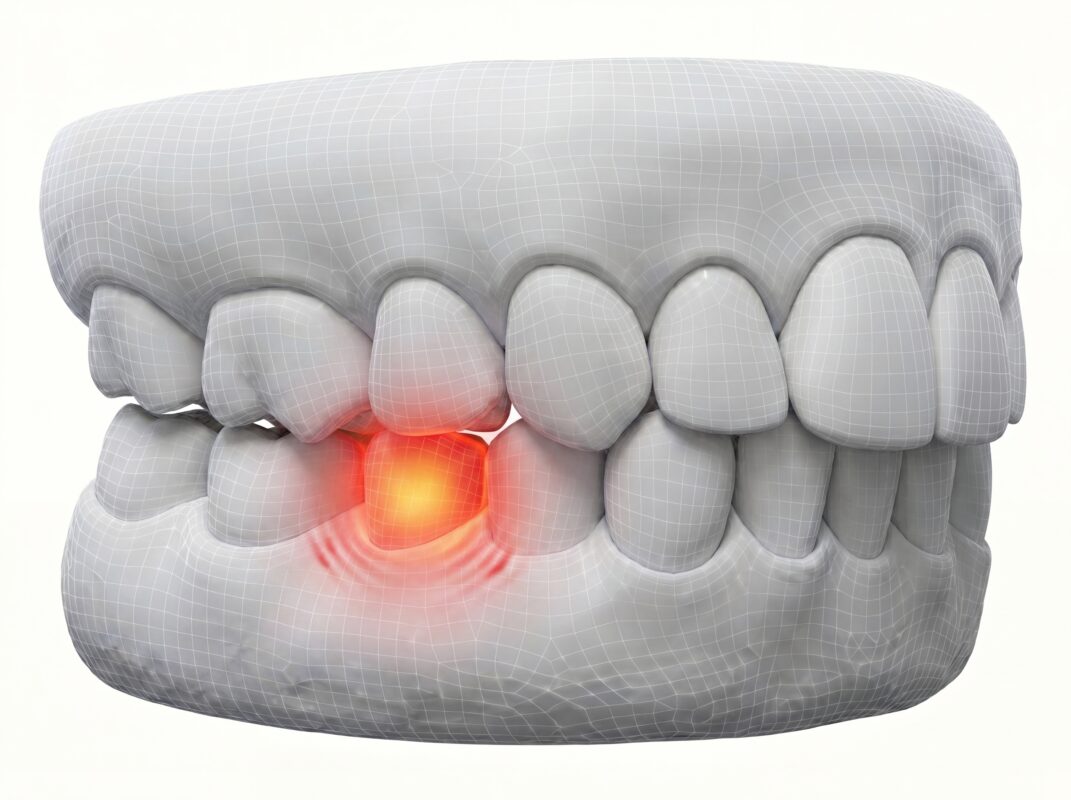
Pain when chewing or spontaneous pain.
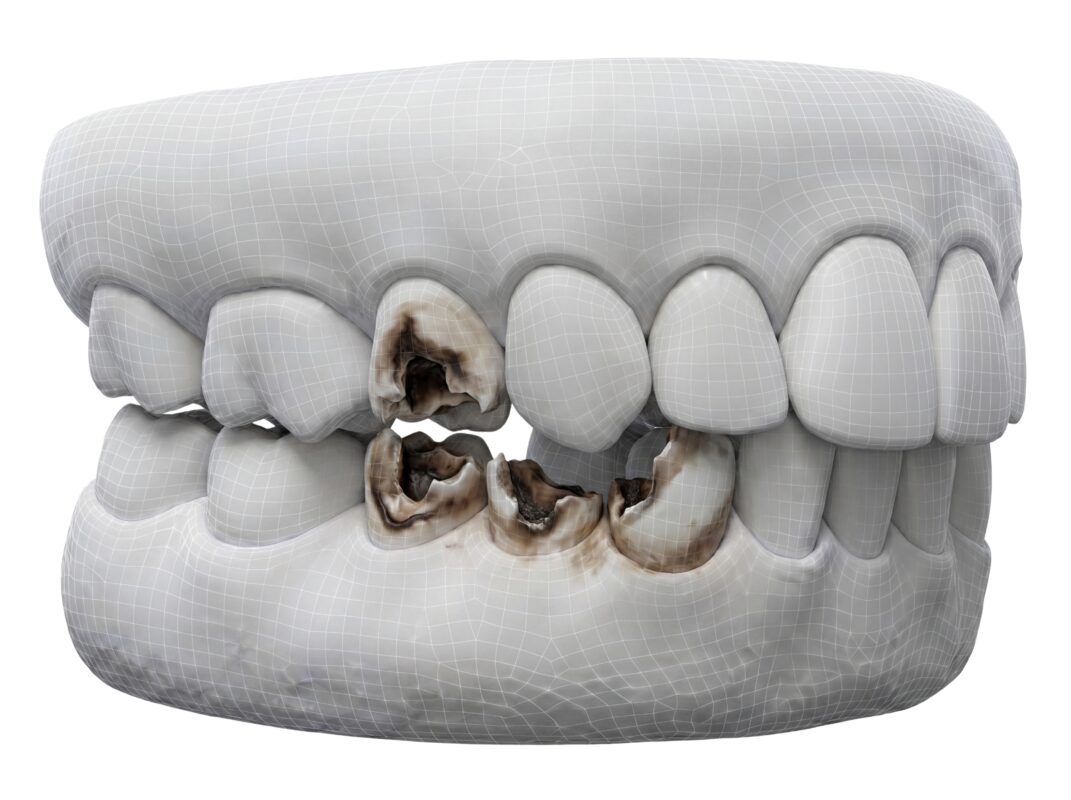
When the nerve is affected by bacteria.
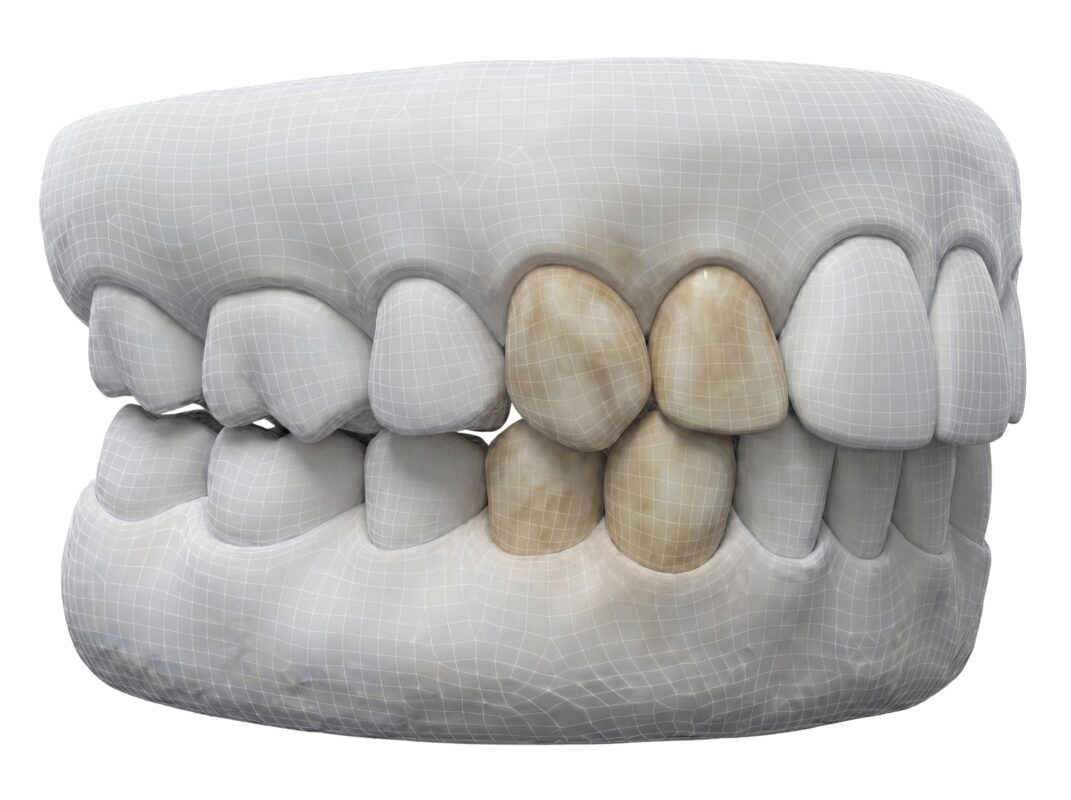
A darkening tooth may indicate nerve damage.
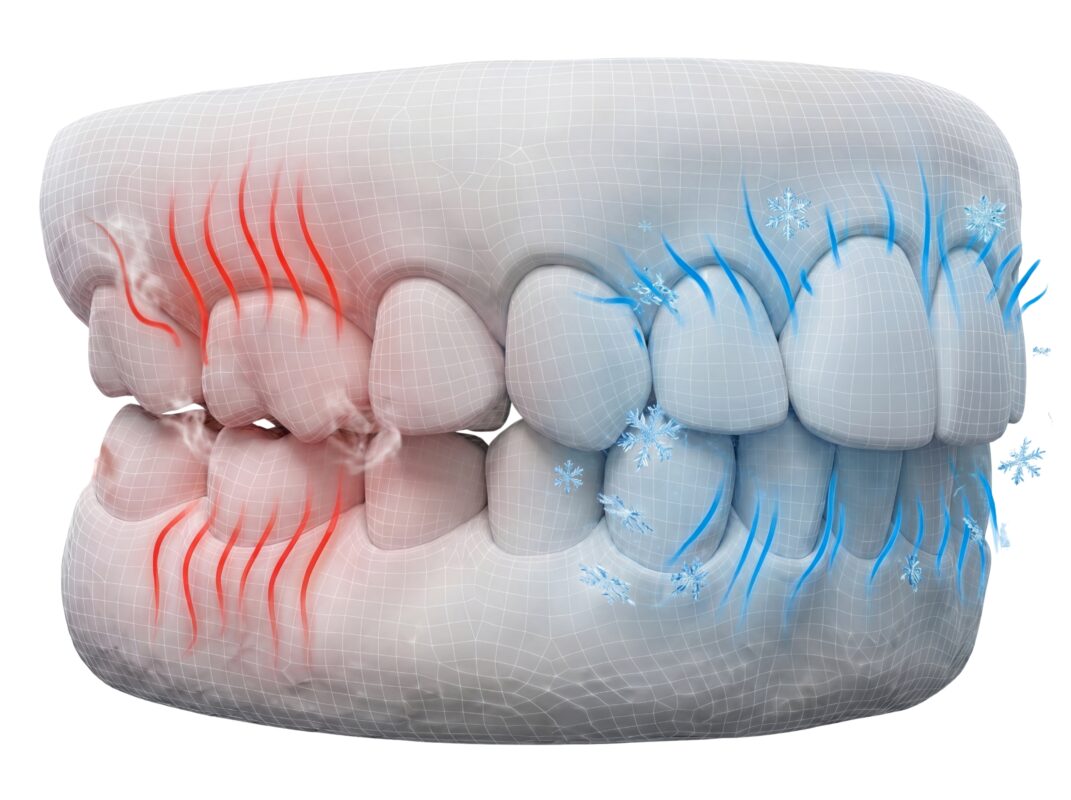
Lingering sensitivity that doesn’t go away quickly.
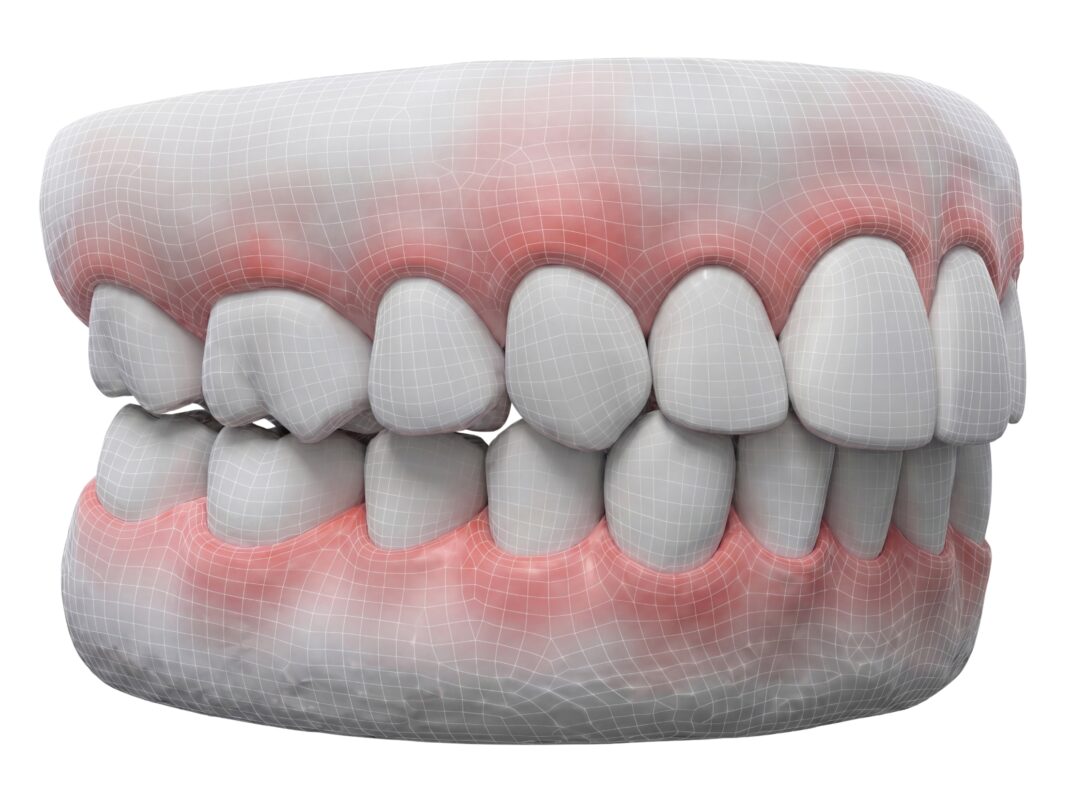
Possible signs of abscess or infection.
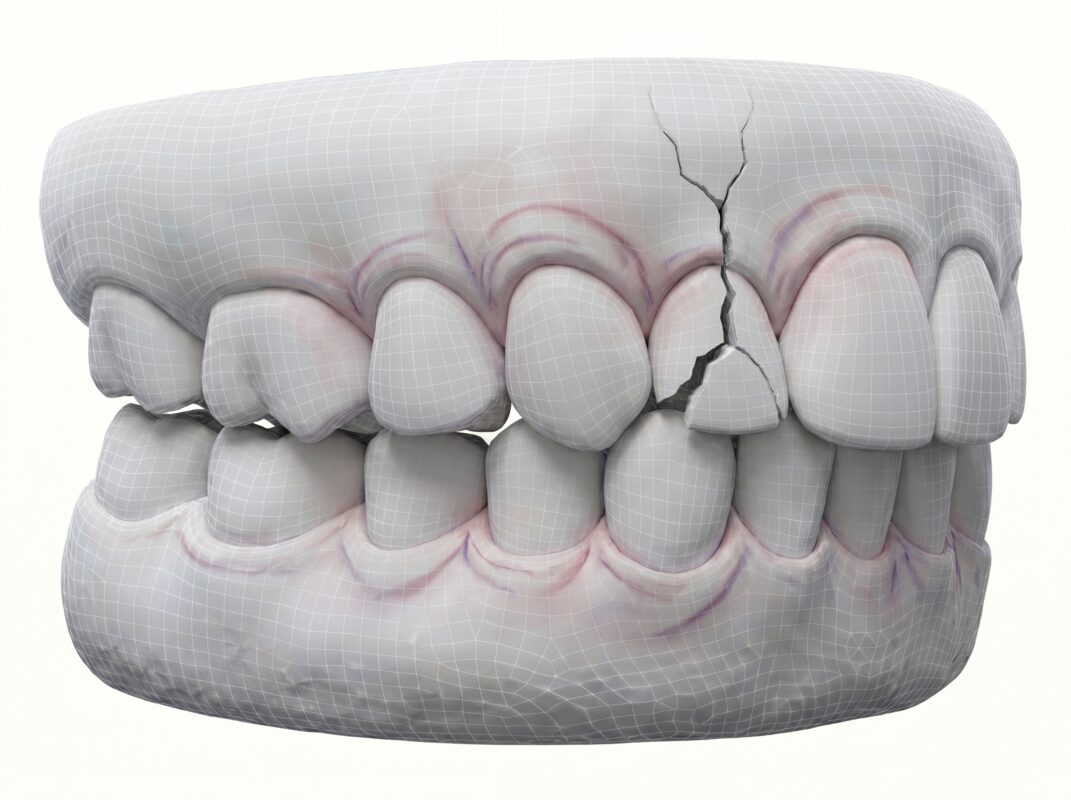
Cracks or impact that injures the pulp.
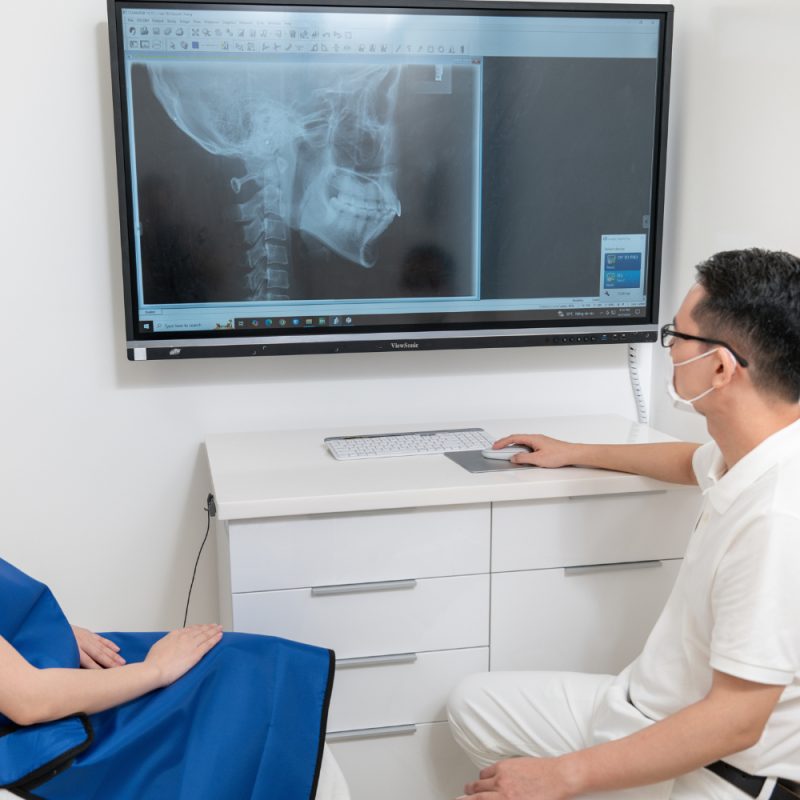
We assess the tooth, evaluate infection depth, and plan treatment.
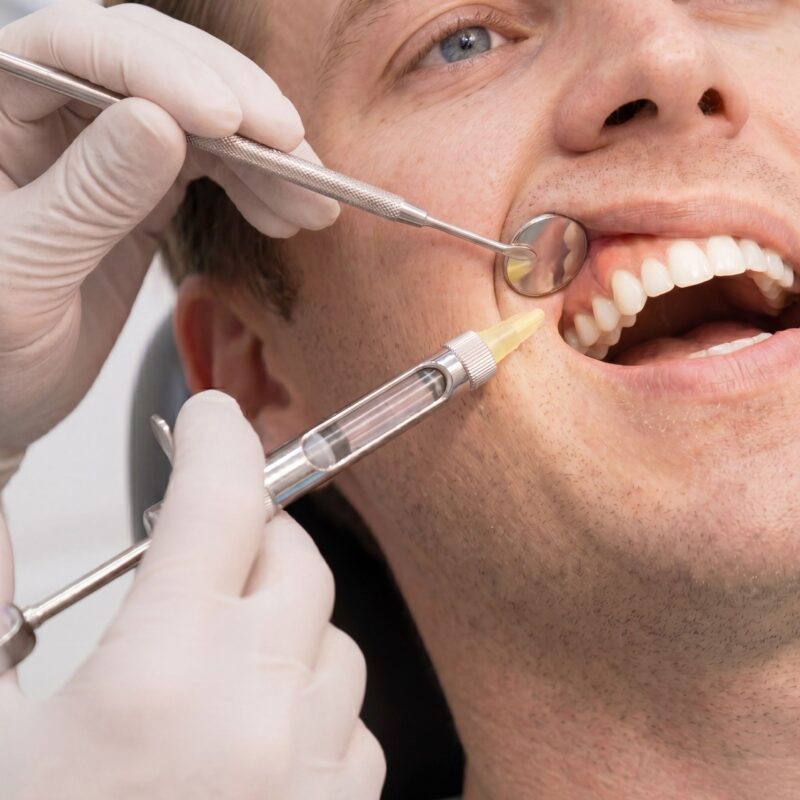
Local anesthesia is used to keep the procedure comfortable.
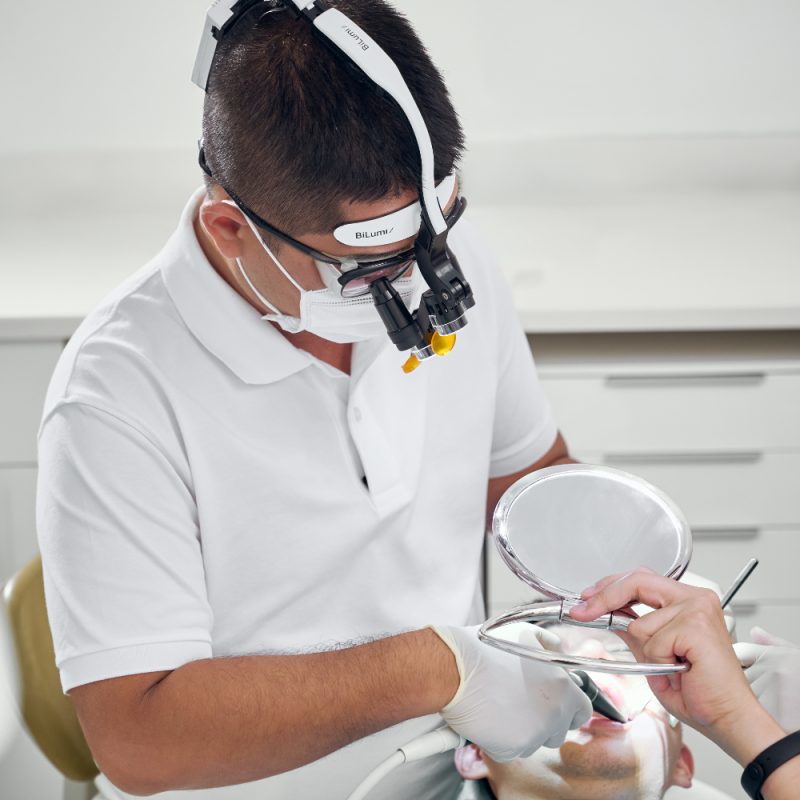
Infected tissue is removed and canals are cleaned and disinfected thoroughly.

The canals are filled and sealed to prevent reinfection.
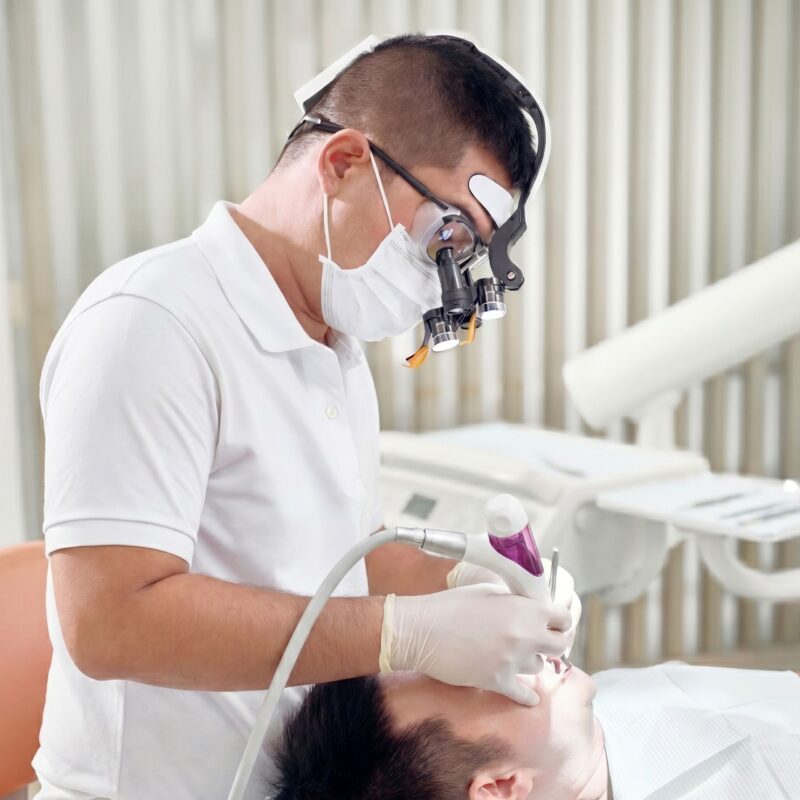
A final restoration protects the tooth—often a crown for strength and long-term stability.

We monitor healing and provide aftercare instructions for best recovery.
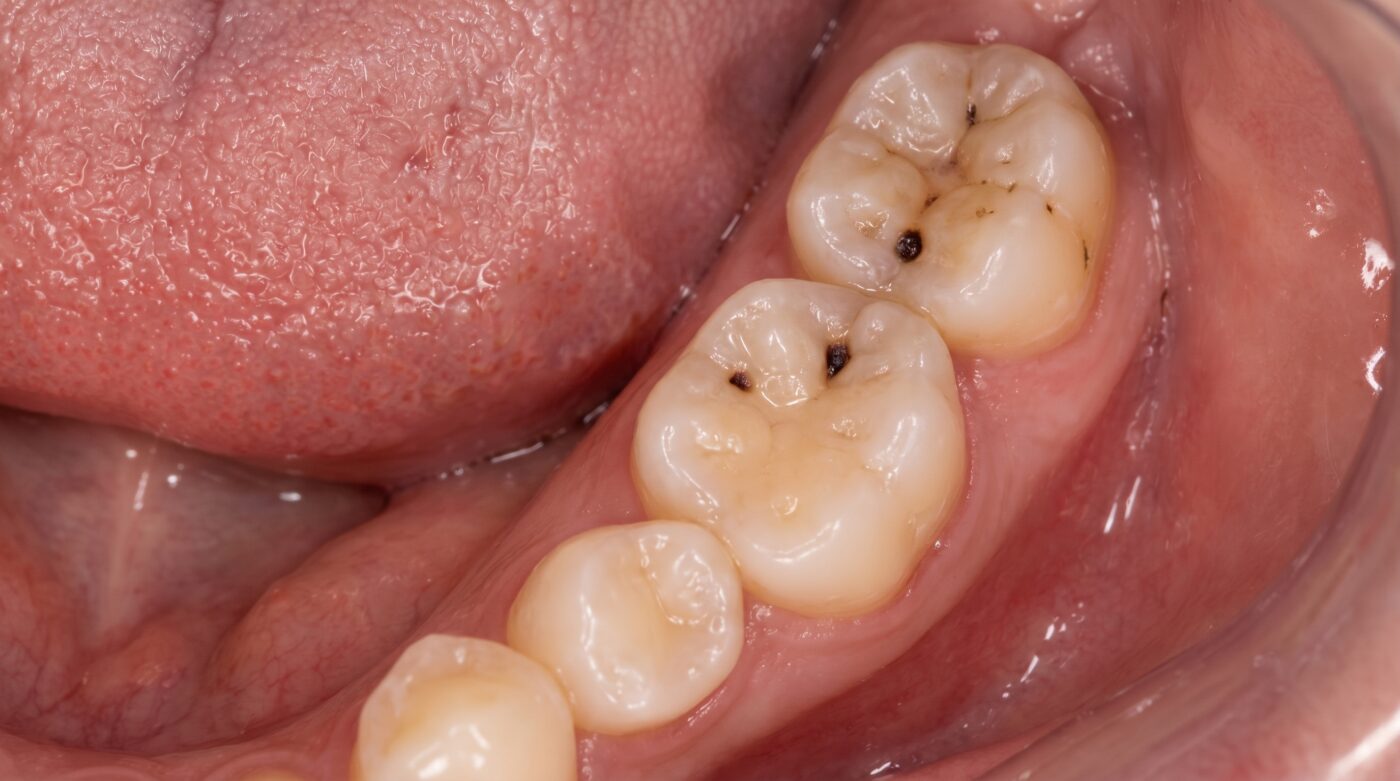
Before
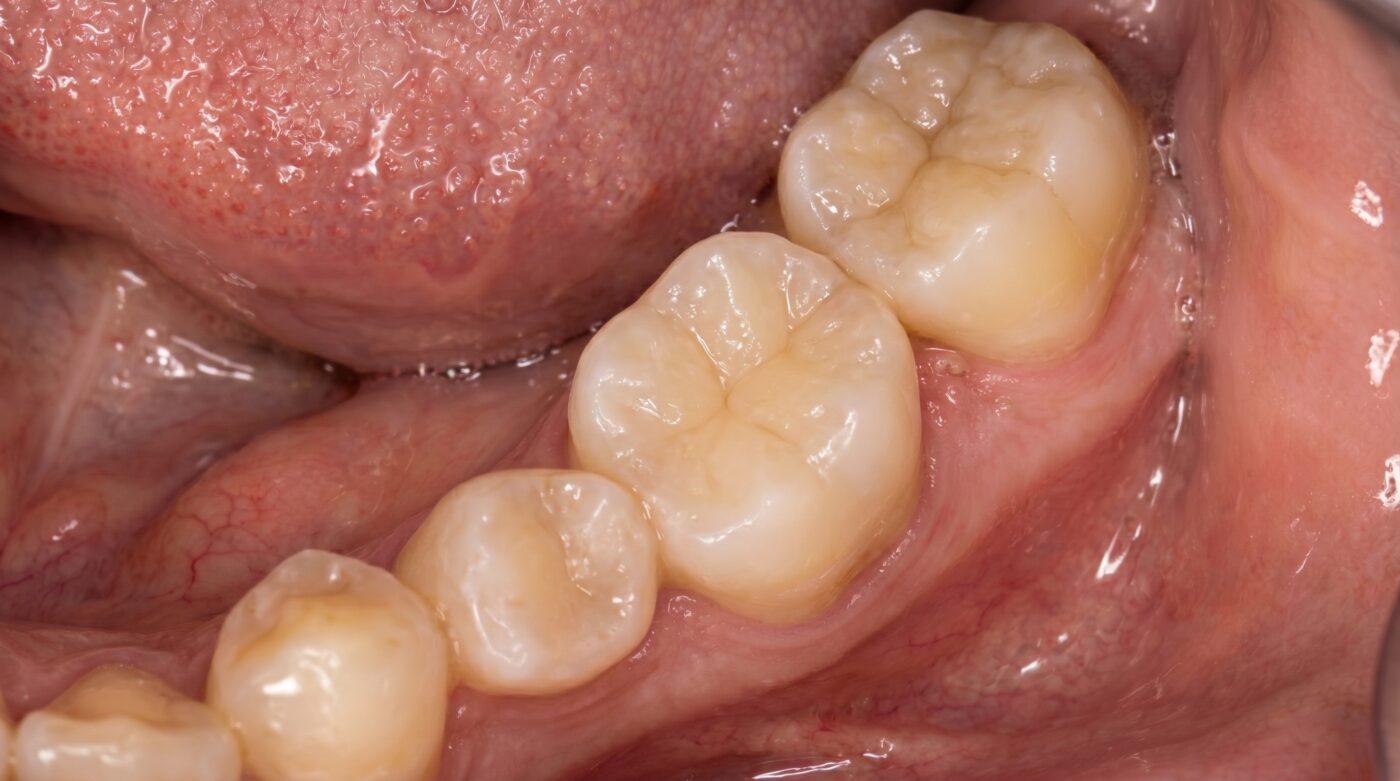
After
Can’t find the answer you’re looking for? Please contact our friendly team.
The procedure is typically comfortable with local anesthesia. You may feel mild soreness afterward, which usually improves quickly.
Many cases are completed in 1–2 visits, depending on infection severity and tooth complexity.
Often yes—especially for back teeth—because the tooth can become weaker and needs protection for long-term durability.
Infection may worsen, causing swelling, abscess formation, and potential tooth loss. Early treatment is usually simpler and more predictable.
With proper restoration and good hygiene, a treated tooth can last for many years—often comparable to natural teeth.
Reinfection is possible if bacteria re-enter the tooth (e.g., leakage, cracks, missed canals). Proper sealing, restoration, and follow-ups reduce the risk.