

 DE
 VN
 KOR

quality for
your
beautiful
smile
Why Choose Dental Implants?
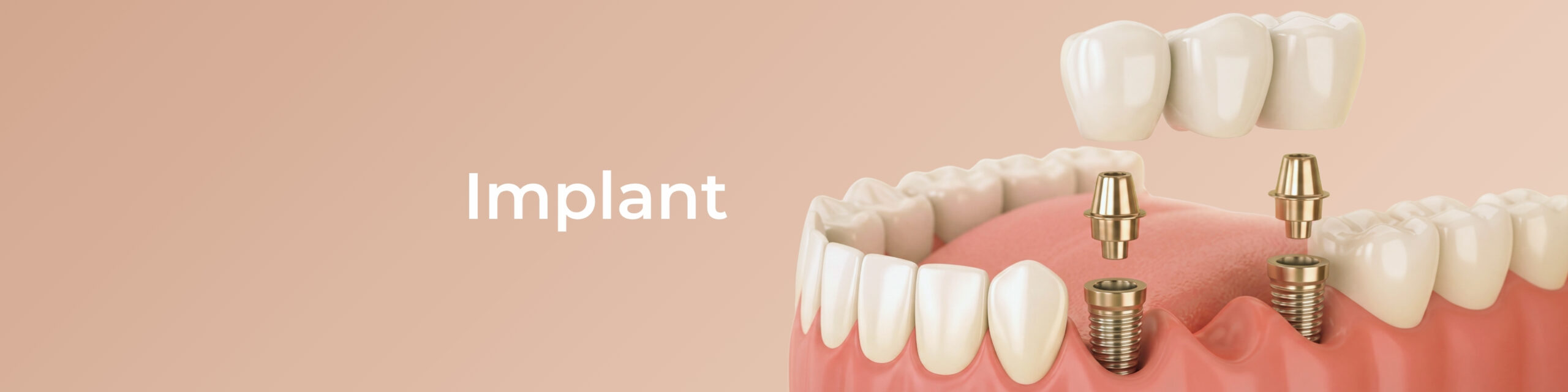
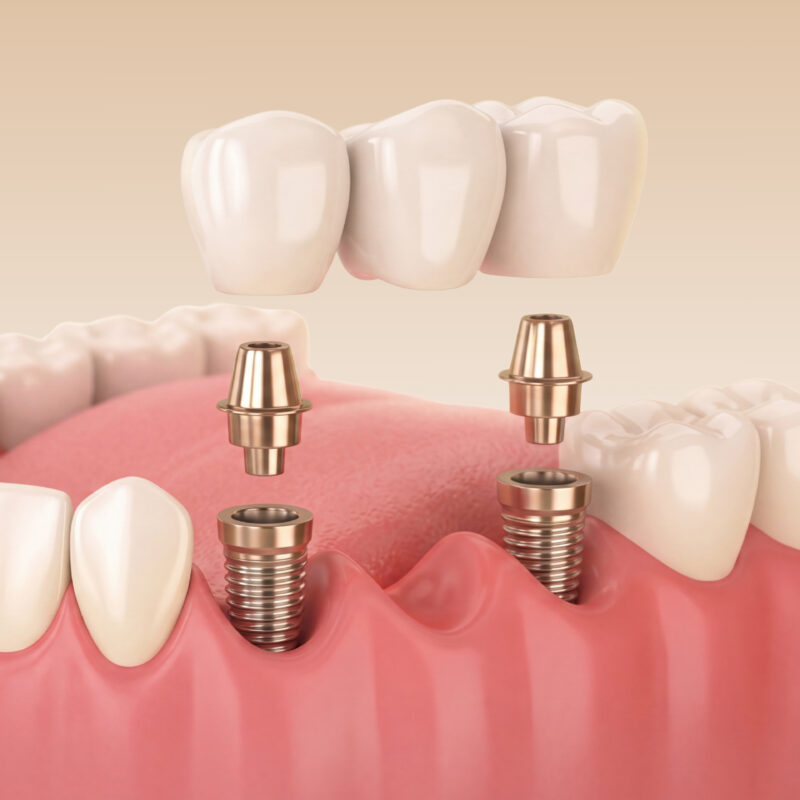
Dental implant treatment is considered one of the most significant advances in modern dentistry. It is a comprehensive tooth replacement solution that restores both the tooth root and the visible crown.
Natural Look & Function
Crowns replace missing teeth, looking and feeling natural. Works for single teeth, bridges, or full arches.
Strong & Long-Term Solution
Titanium integrates with bone for stability. Excellent long-term success with proper care.
Comfortable & Life-Changing
Better chewing and speaking than removable options. Significantly improves confidence and quality of life.
Benefits of Dental Implants
Dental implants offer a stable, highly functional tooth replacement that can restore both aesthetics and chewing power. They can be used for single missing teeth, multiple teeth, or even full-mouth rehabilitation with implant-supported bridges or dentures. With proper planning and good oral hygiene, implants can deliver long-lasting results and are considered one of the most successful restorative treatments in dentistry.
Who Is This Treatment For?
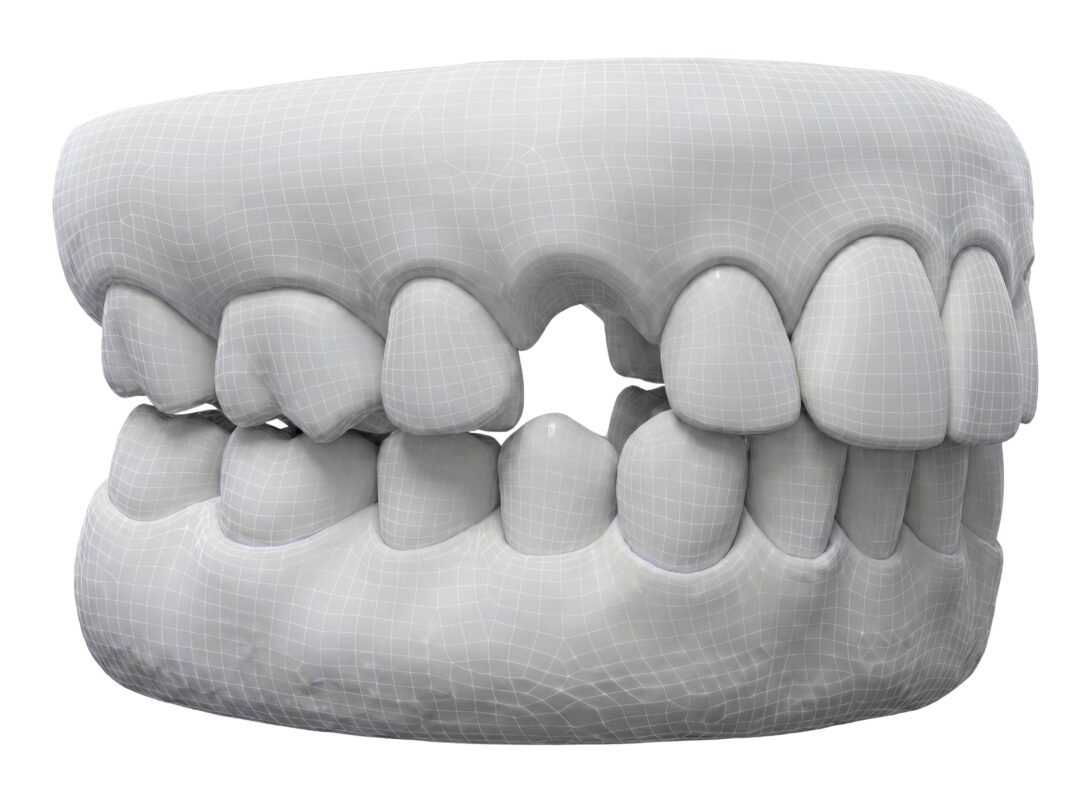
One or More Missing Teeth
Replace single teeth or multiple missing teeth with strong support.
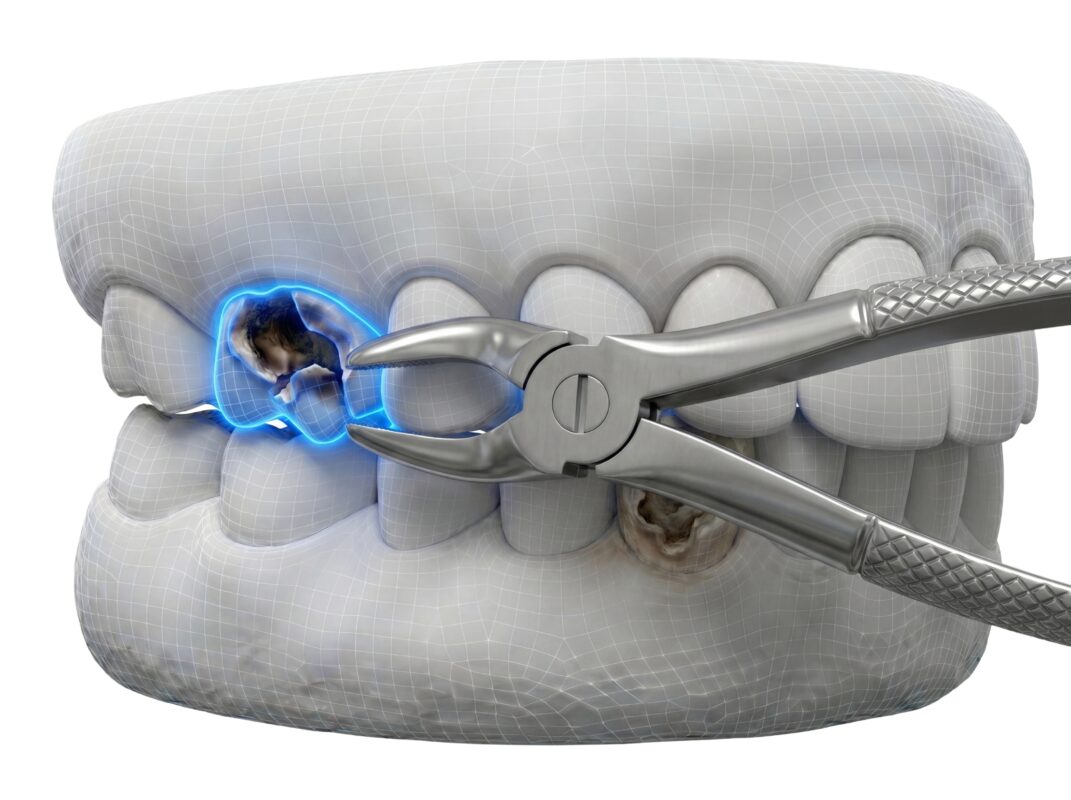
After Tooth Extraction
Immediate placement may be possible in selected cases.
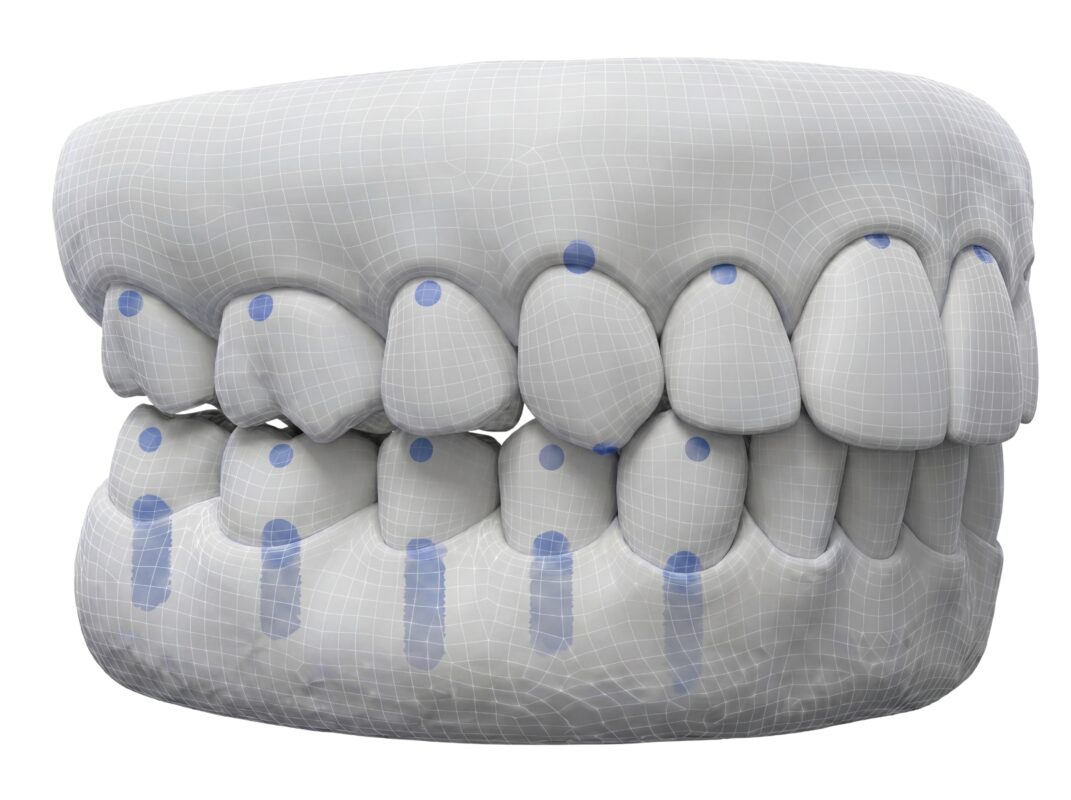
Patients Seeking a Long-Term Solution
A durable option with strong stability when maintained well.
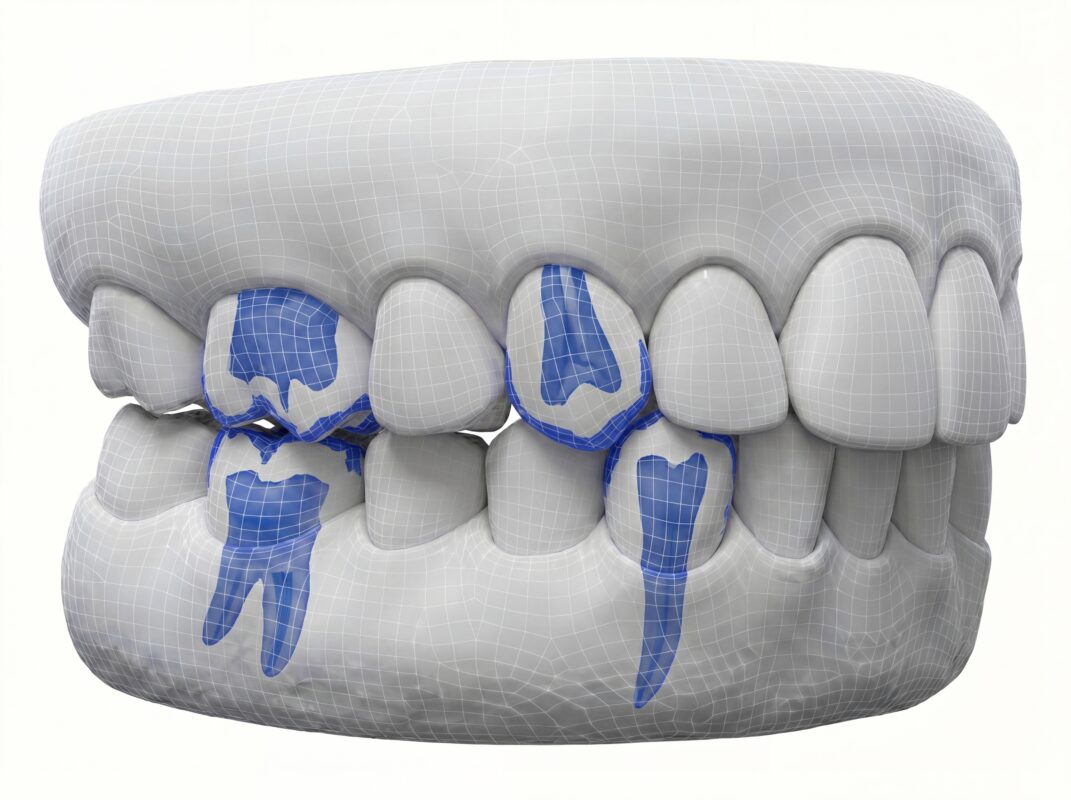
Loose Dentures / Poor Chewing Comfort
Upgrade to implant-supported solutions for better stability.
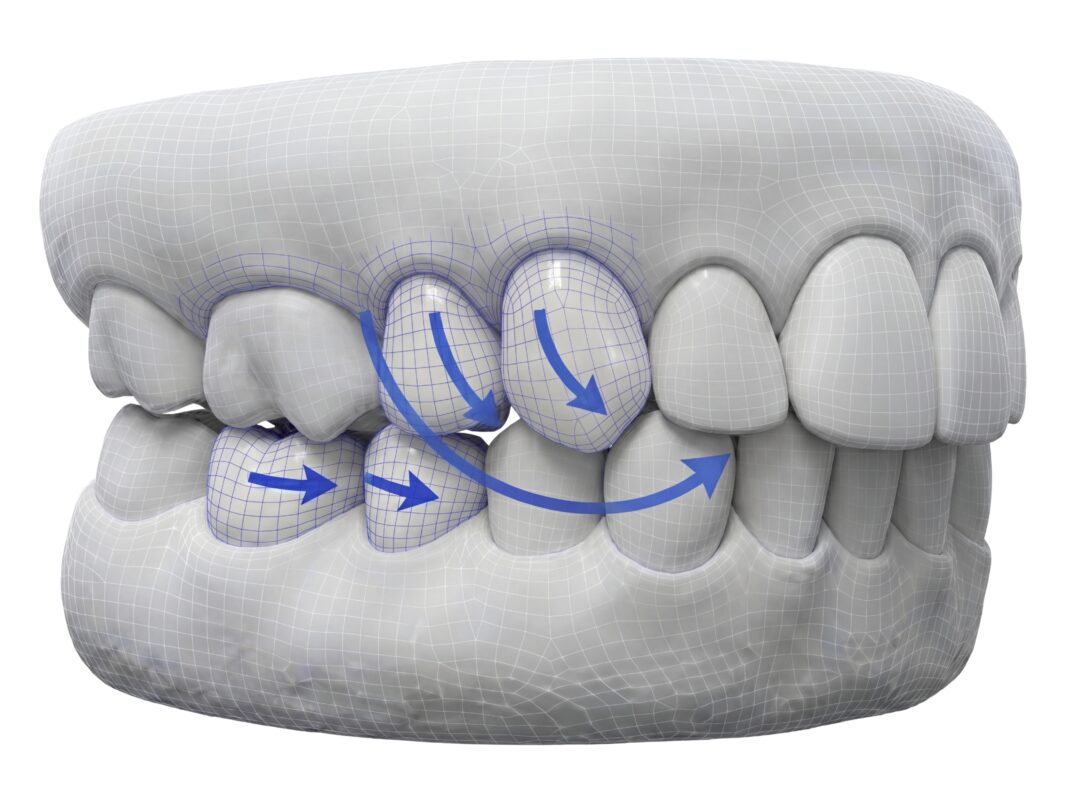
Full-Arch Tooth Replacement
Implants can support fixed bridges or implant-retained dentures.
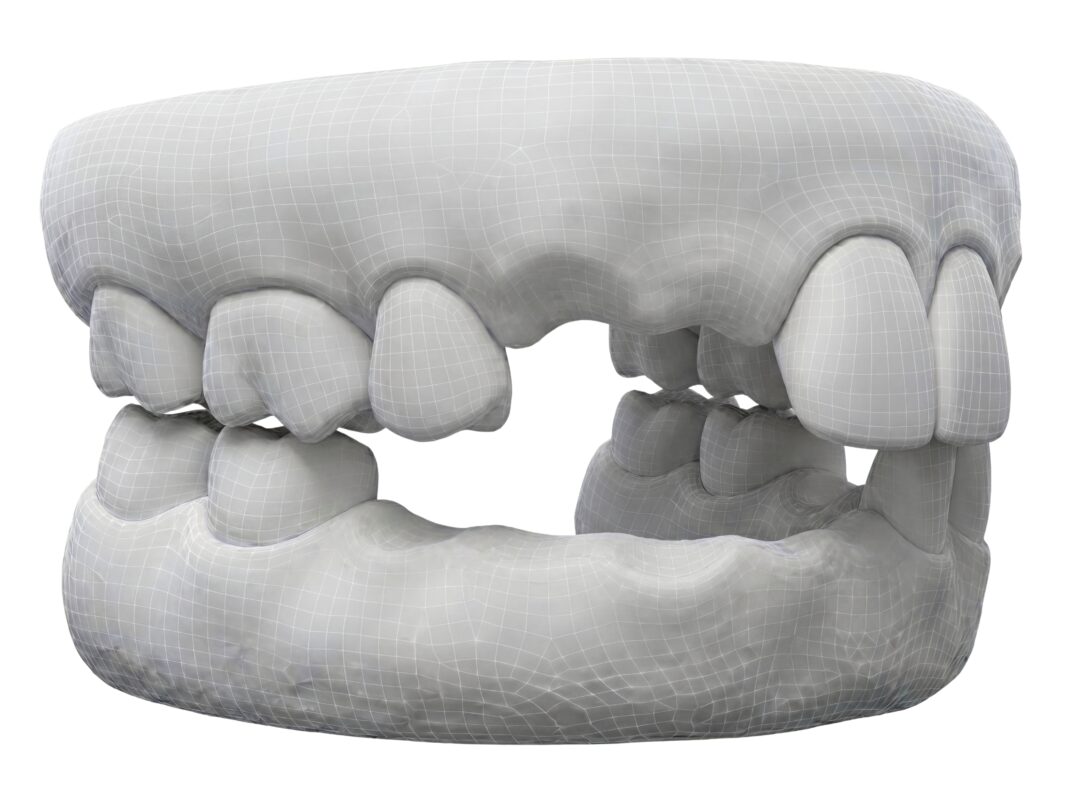
Complex Cases (Bone Loss)
May require bone grafting and specialized planning.
Treatment Steps
Step 1
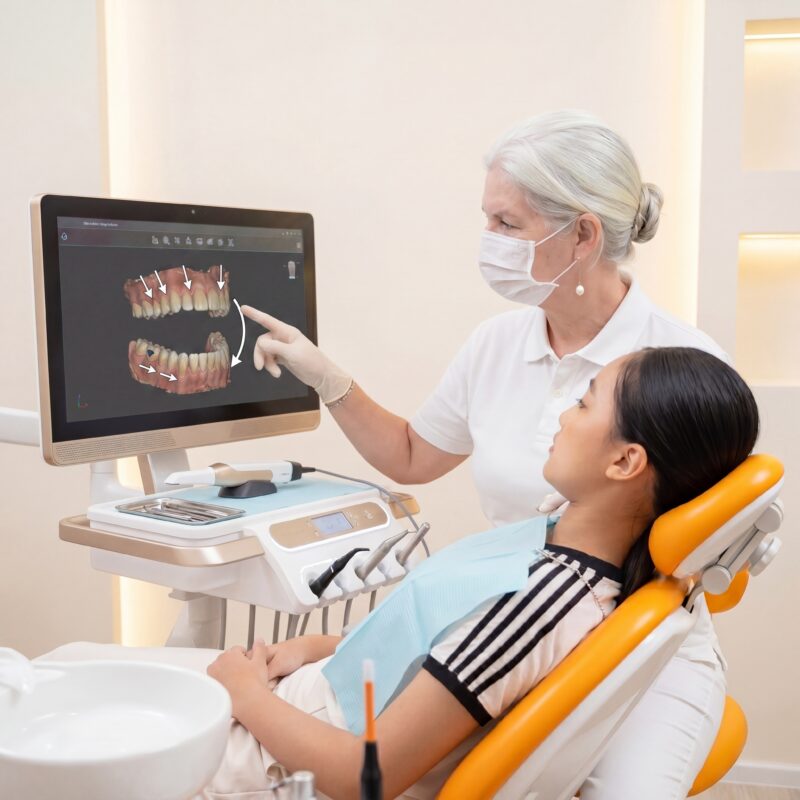
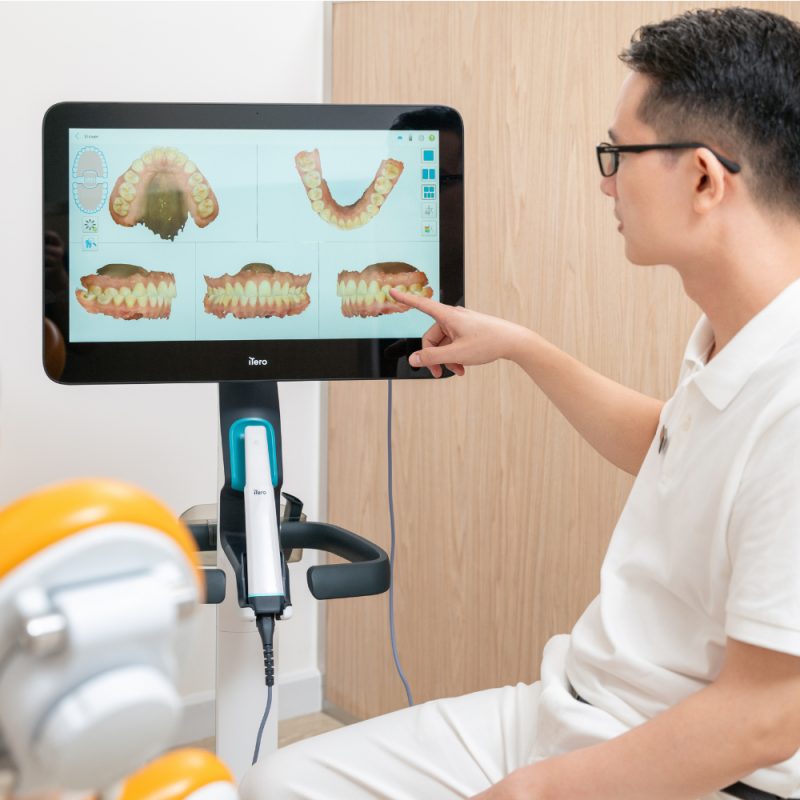
Consultation & Diagnostics
Clinical exam, X-rays/CBCT when indicated, and planning for your implant position and bite.
Step 2

Tooth Extraction (If Needed)
If a tooth must be removed, implants may be placed immediately in selected cases.
Step 3
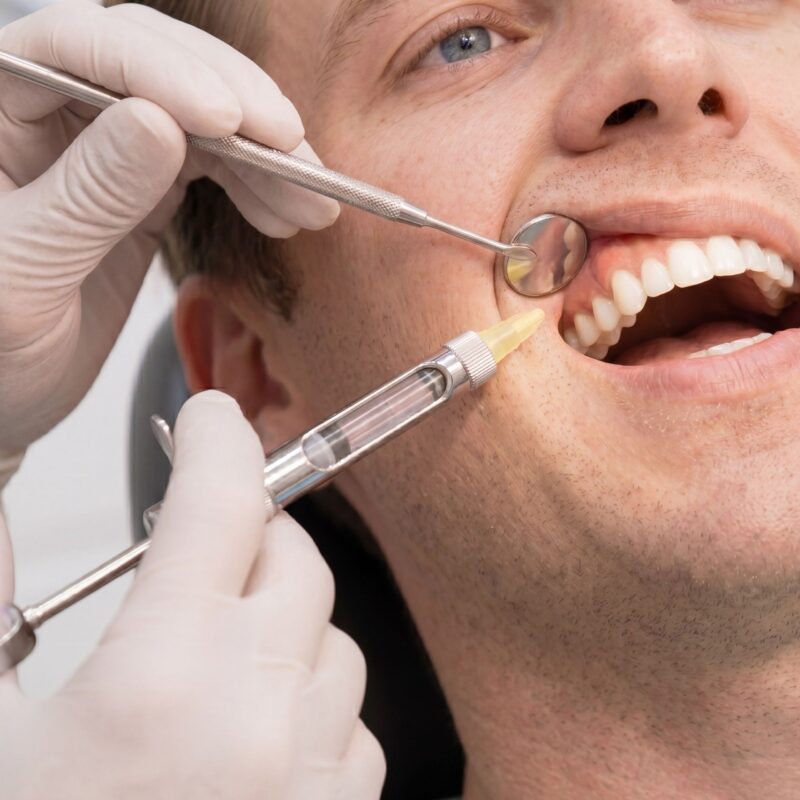
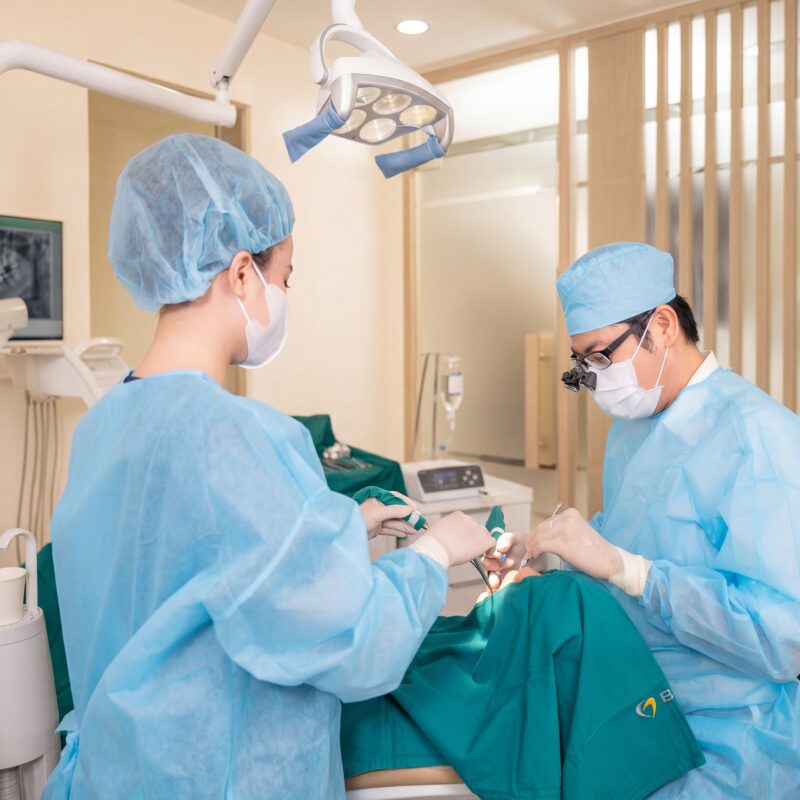
Implant Placement
A titanium post is placed into the jawbone under anesthesia (typically local anesthesia).
Step 4

Healing & Integration
Over several weeks, the jawbone heals and integrates with the implant for strong stability.
Step 5
Abutment & Crown/Bridge
A ceramic crown (or bridge) is attached—often screw-retained and removable later if necessary.
Step 6
Maintenance & Follow-Up
Regular check-ups and hygiene help protect the implant and surrounding tissues long-term.
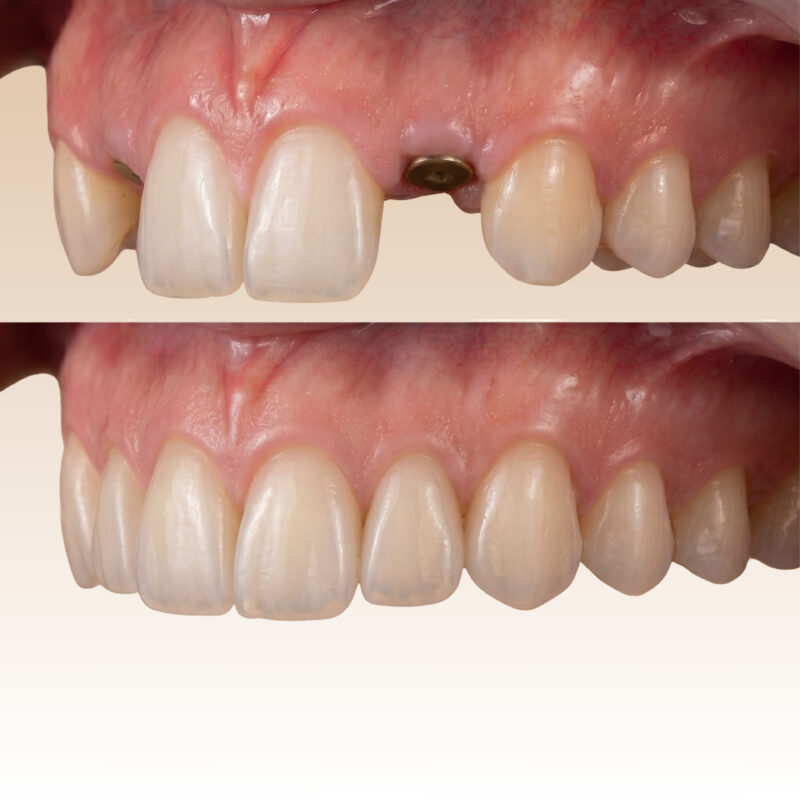
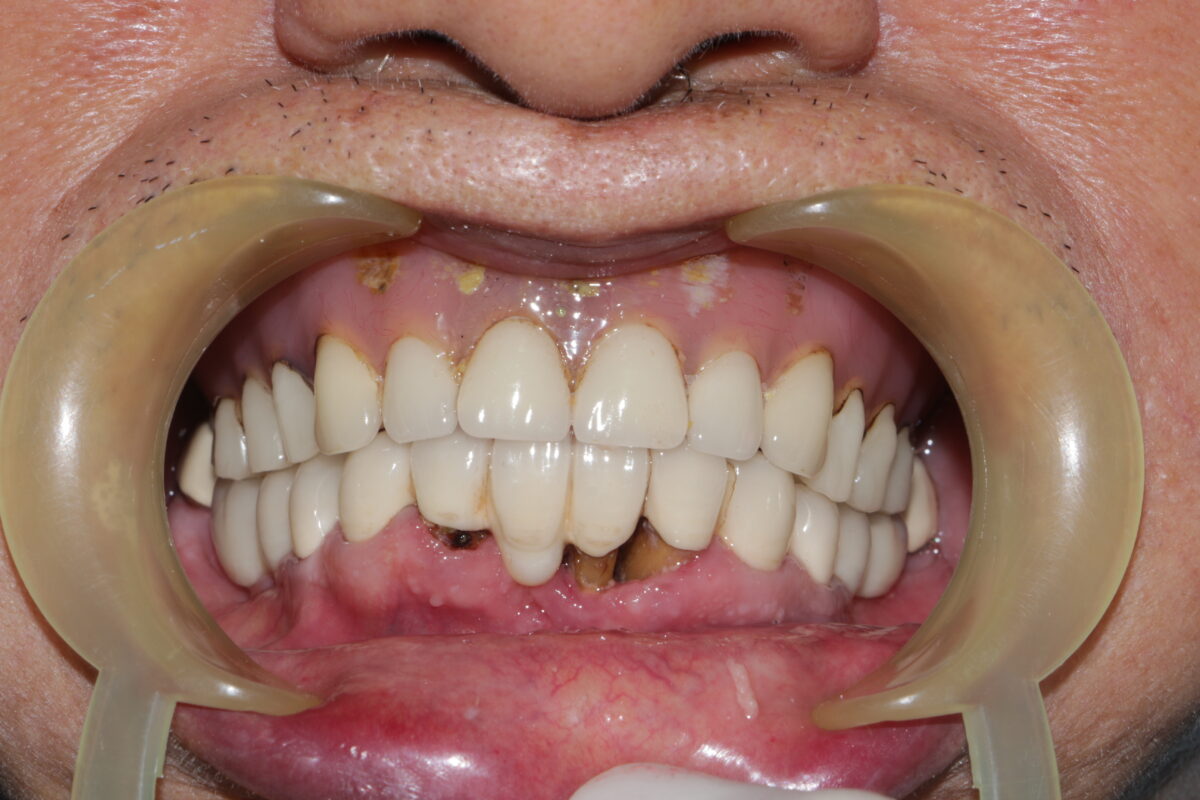
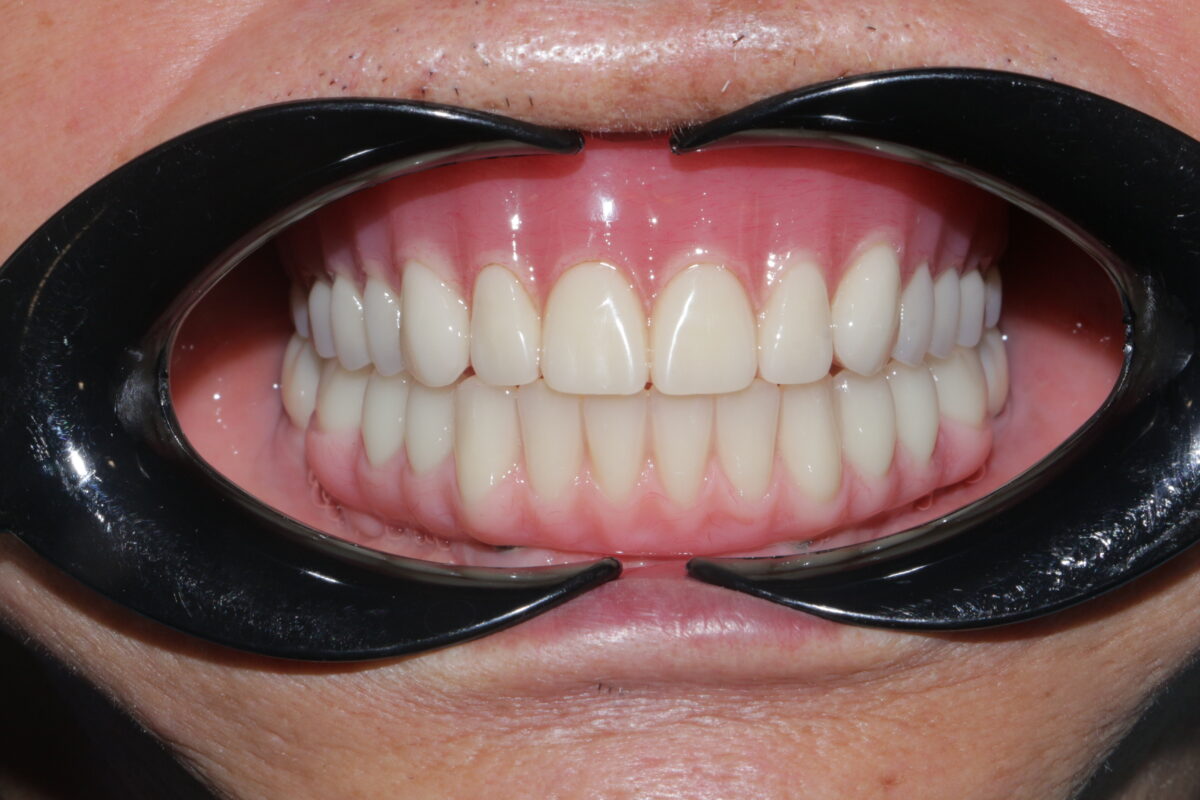
Transformations
Before
After
FAQs: Everything You Need to Know About Dental Implants
Can’t find the answer you’re looking for? Please contact our friendly team.
Is the implant procedure painful?
Implant placement is typically minimally painful. Most patients feel little to no pain the next day, with only mild swelling around the site.
Is anesthesia needed?
Most cases are done with local anesthesia. In complex situations (e.g., significant bone loss requiring bone grafting), the procedure may be performed under general anesthesia in a hospital setting.
How long do dental implants last?
Clinical studies have shown implants can last up to 25 years. Success rates are often reported above 95%, with 10-year stability commonly 85–95%, depending on patient factors and maintenance.
What can cause implant failure?
The most common cause is infection leading to bone loss around the implant, known as peri-implantitis—more common in patients with poor oral hygiene and smokers. Risks can be higher for smoking, heavy alcohol use, diabetes, and periodontitis.
Why do implants cost more than a porcelain crown?
Implant treatment includes multiple appointments, surgical placement, possible bone grafting, and lab work to design the implant crown/bridge—making it a long-term investment in function and stability.
Can implants replace all teeth?
Yes. Implants can support fixed bridges or implant-retained dentures, often creating a much more comfortable chewing experience.