

 DE
DE VN
VN KOR
KOR 中文
中文
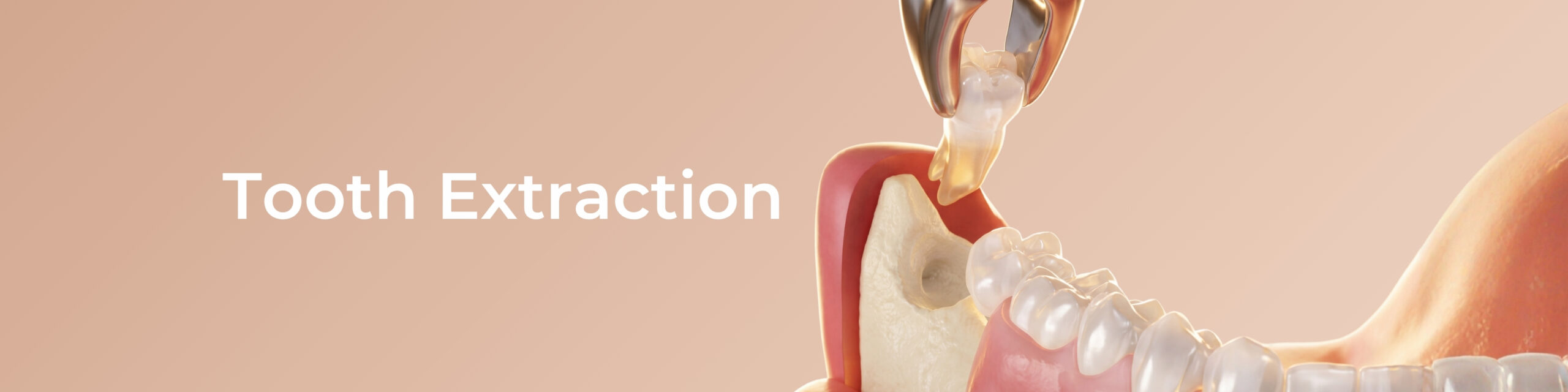

A tooth extraction is usually recommended only as a last resort - when the natural tooth can no longer be saved, or when removal is necessary to protect the overall health of your mouth.
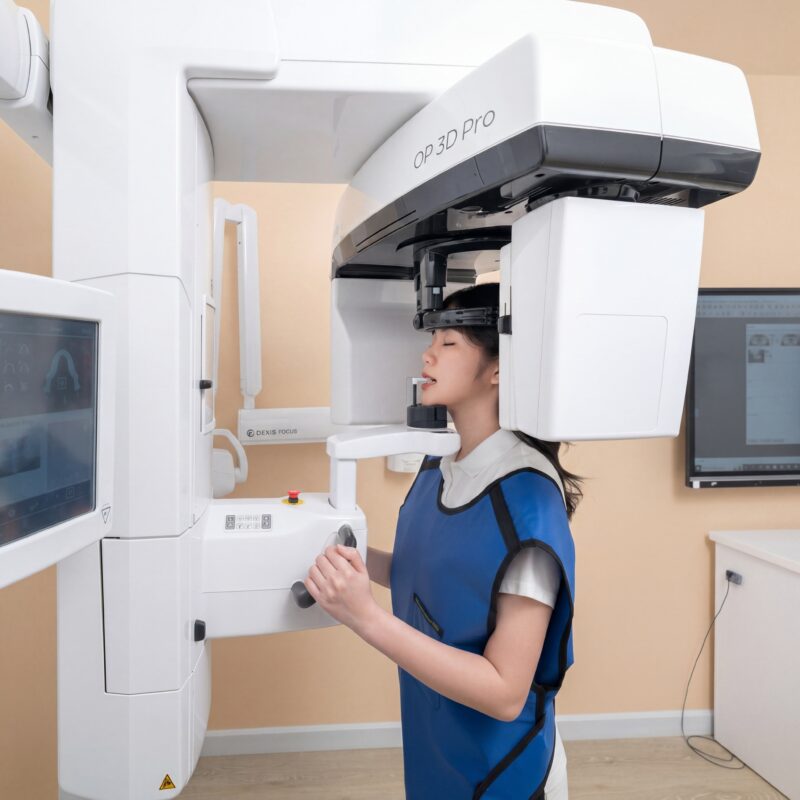
Our dental team will take X-rays to assess the tooth roots and surrounding nerves. This allows the dentist to identify and minimise potential risks, including infection or nerve injury that may lead to numbness in the jaw.
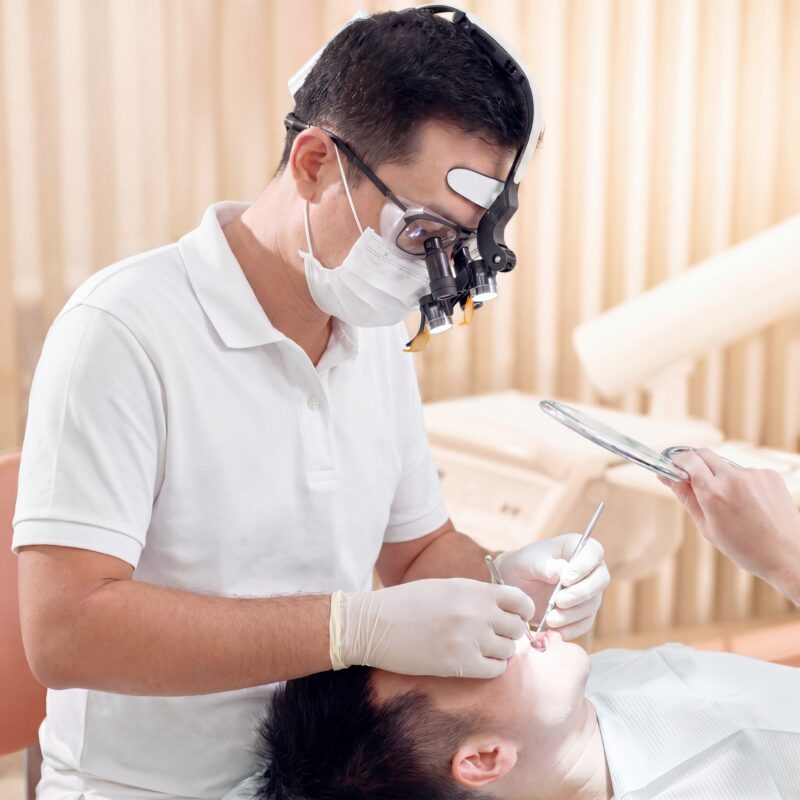
We use carefully administered local anaesthesia and advanced equipment such as the Piezotome ultrasonic surgical system. This technology allows the tooth to be removed more gently and precisely, helping to minimise discomfort and swelling while supporting faster healing compared with conventional extraction techniques.
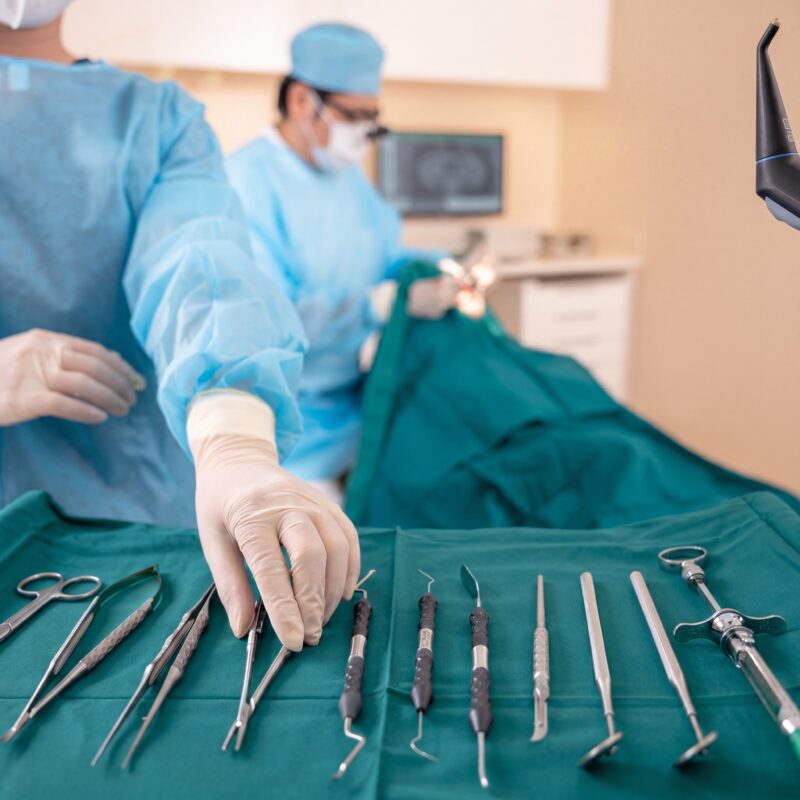
All instruments undergo thorough sterilisation, and our treatment rooms comply with strict medical hygiene standards. These protocols help prevent cross-contamination and reduce the risk of infection, inflammation or pus formation at the extraction site.
Tooth extraction is recommended for patients who: - Have infected or severely decayed teeth that cannot be saved - Need wisdom tooth removal (impacted, partially erupted, or painful) - Have broken teeth below the gumline or damaged roots - Experience swelling, abscess, or recurring gum infection around a tooth - Need extraction before orthodontic treatment (to create space / improve alignment) - Require tooth removal to prepare for implants or dentures
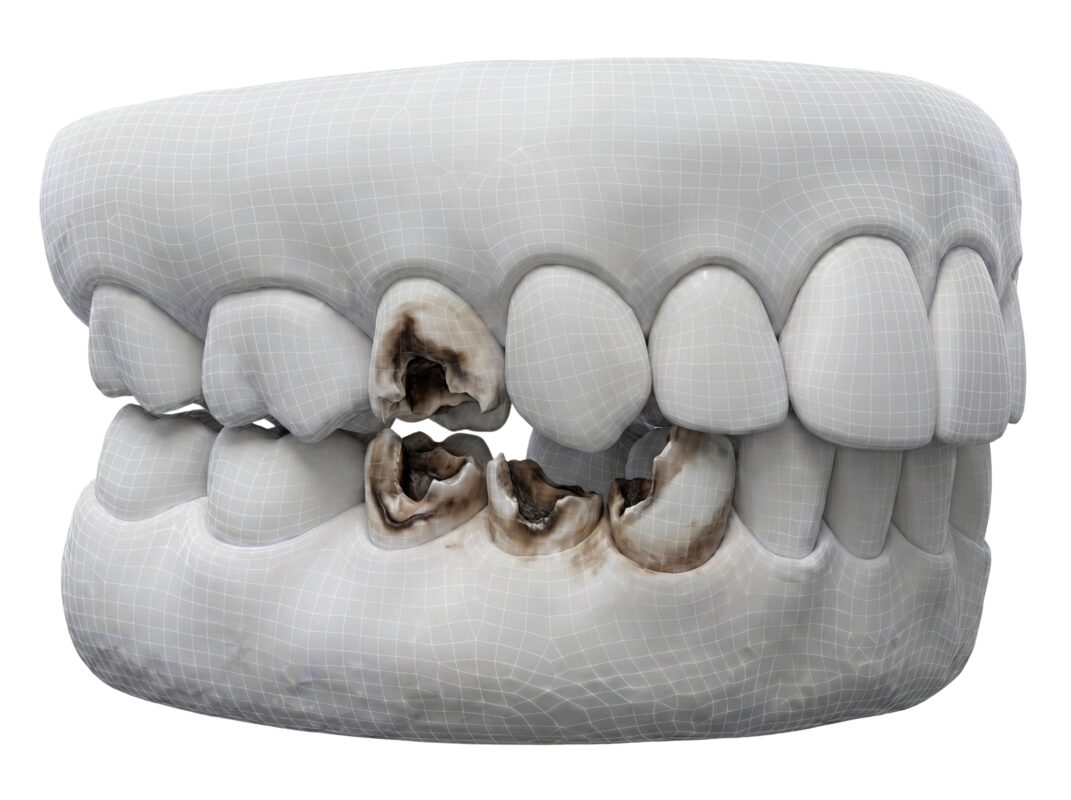
The tooth is severely decayed or damaged, leaving only the root close to the gum line.
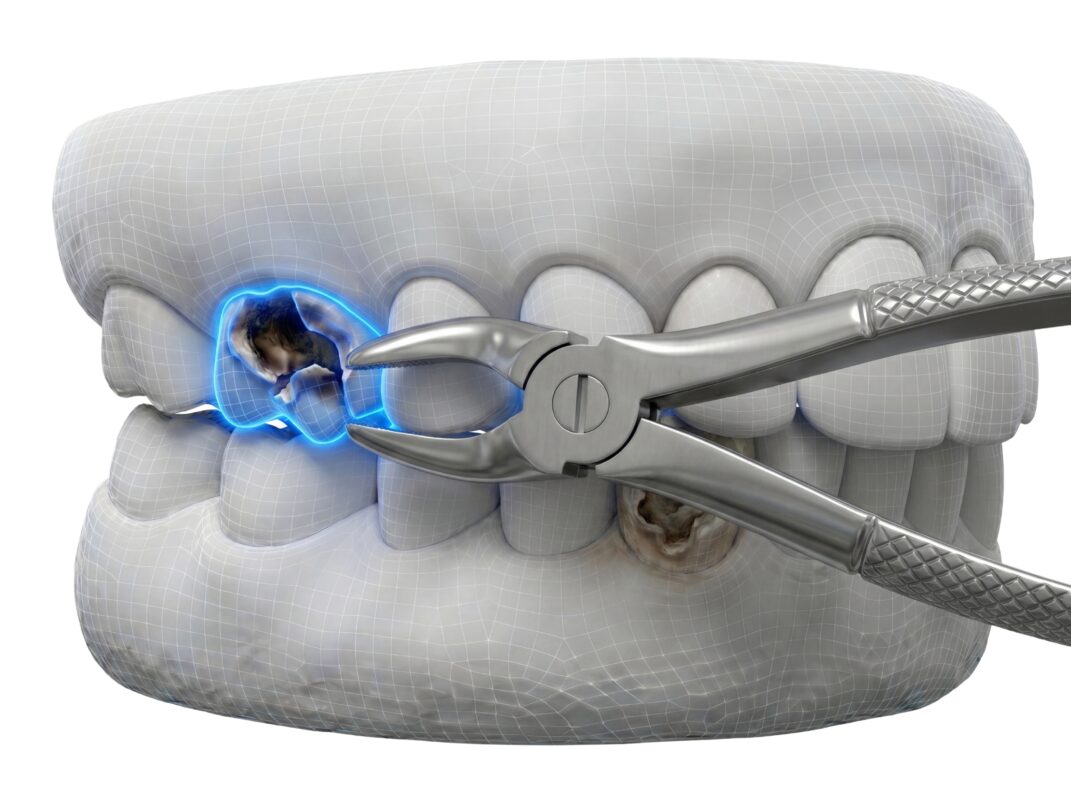
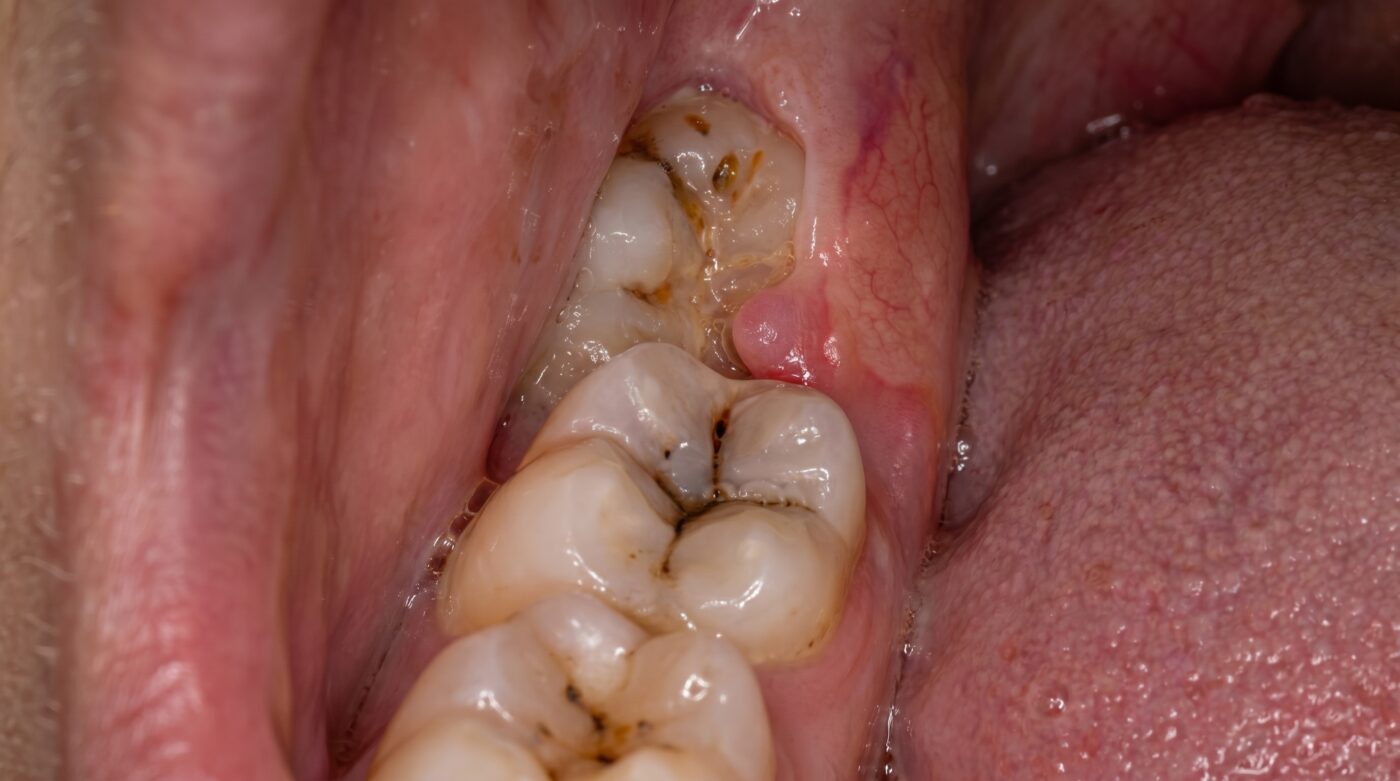
This may also apply to impacted wisdom teeth that grow sideways against adjacent teeth, remain trapped beneath the gum, cause pain and swelling, lead to pericoronitis, or increase the risk of jaw cyst formation.
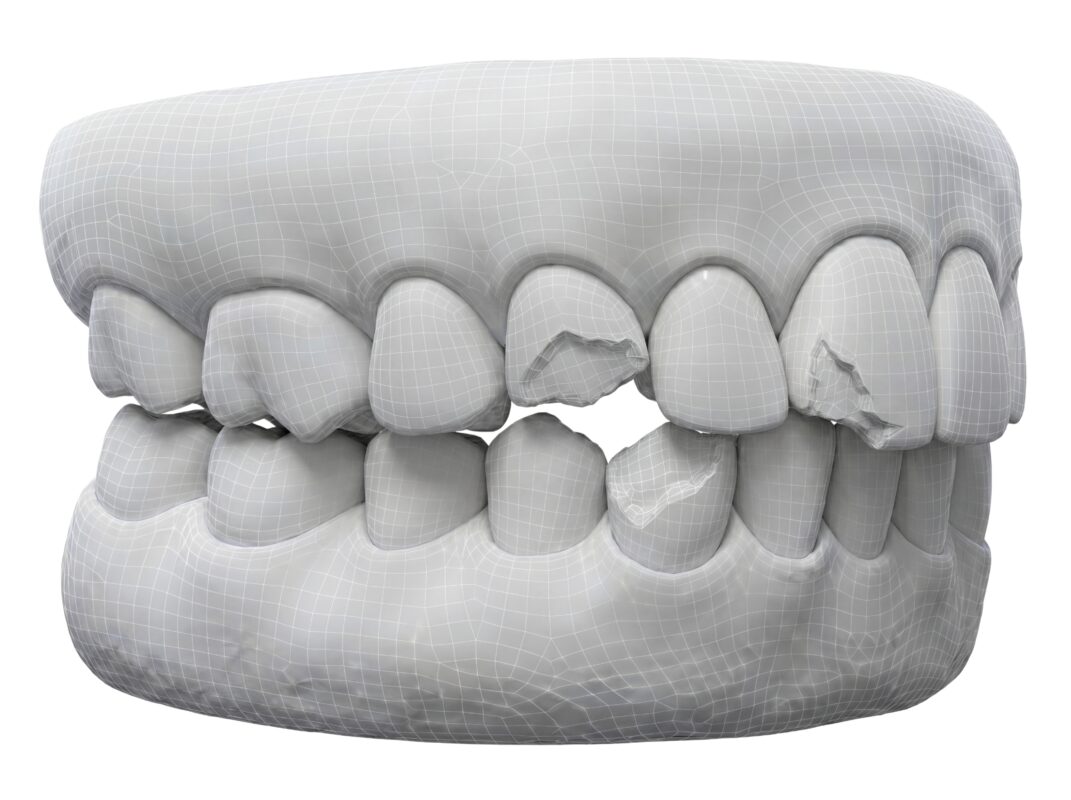
Removing the affected tooth helps eliminate the source of infection and pain, while reducing the risk of jawbone loss and protecting the surrounding healthy teeth.
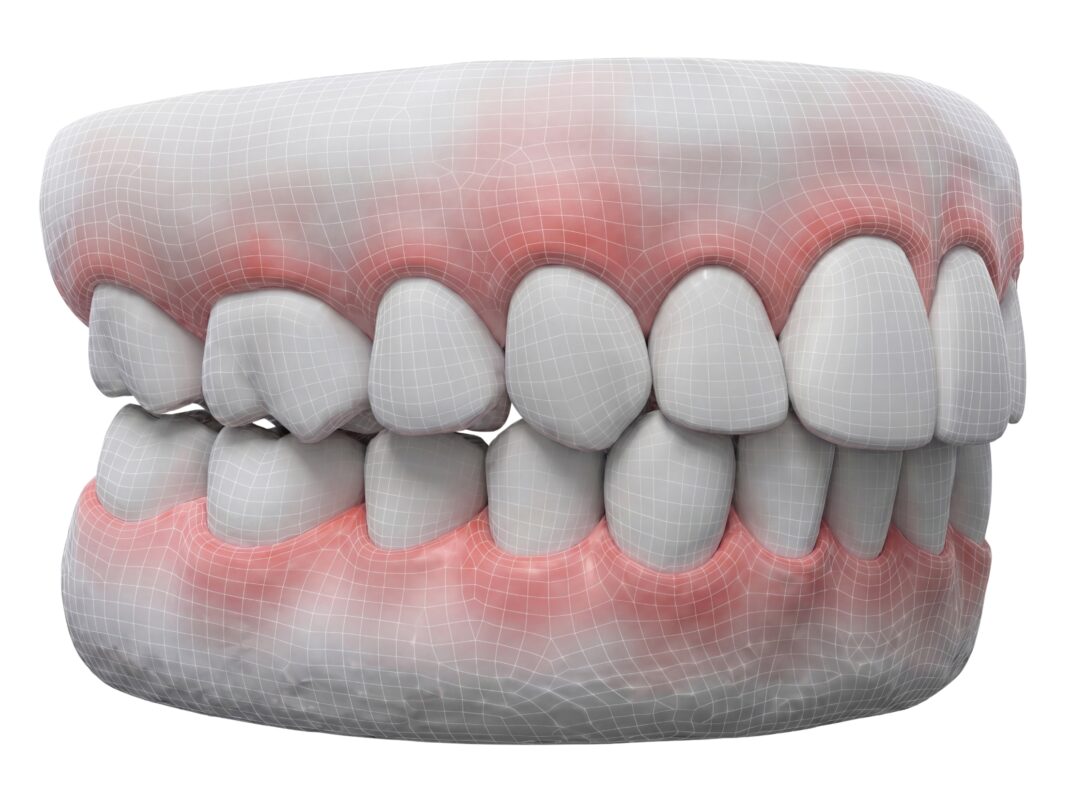
If the tooth is not removed promptly, the infection may spread, contribute to jawbone loss and damage nearby healthy teeth.
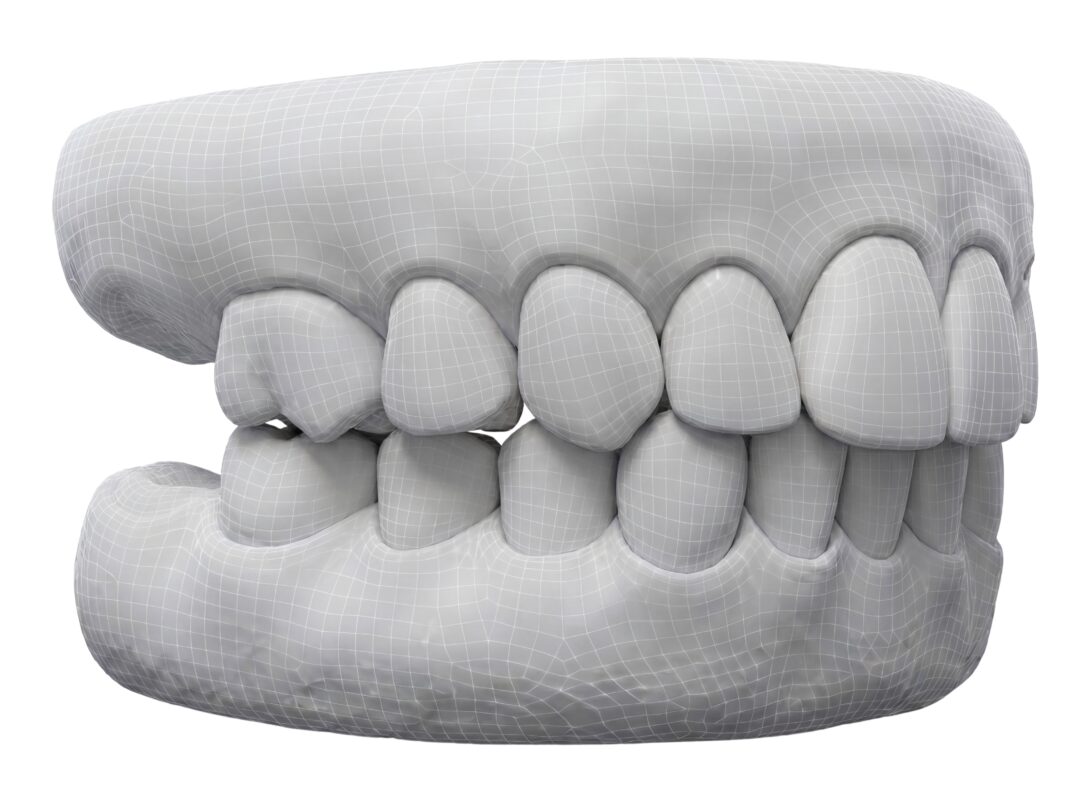
In some orthodontic cases, one or more teeth may need to be removed to create sufficient space. This allows the orthodontist to align the teeth more efficiently and helps achieve a more balanced, harmonious facial profile after treatment.
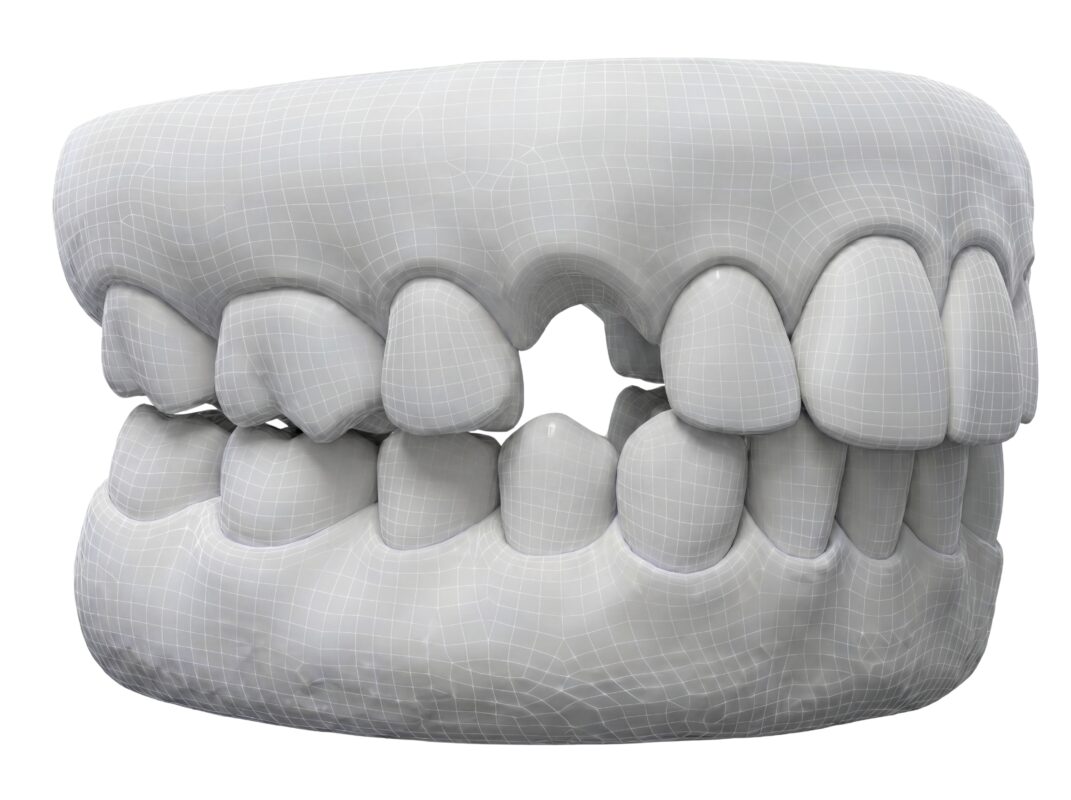
Tooth extraction may also help create a clean and stable foundation for future tooth replacement, supporting long-term durability and optimal integration with the jawbone.
Our tooth extraction procedures are delivered by experienced clinicians, supported by advanced imaging and modern surgical tools to ensure accuracy and safety. We follow strict sterilization and safety protocols at every step, while each treatment plan is personalized to your condition and comfort level. Above all, we prioritize gentle care, clear guidance, and a calm experience—from consultation to aftercare and follow-up.

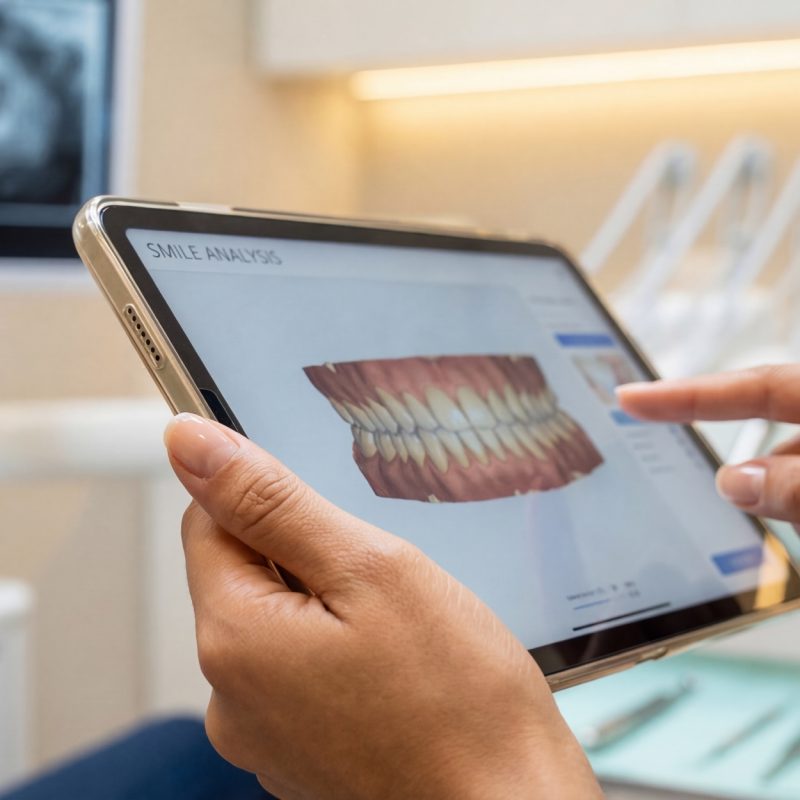
The dentist carries out a clinical examination and takes diagnostic images, such as a 3D Cone Beam CT scan, to accurately assess the position of the tooth roots, the direction of eruption and their proximity to surrounding nerves.

The extraction site and the entire oral cavity are thoroughly cleaned with a specialised antiseptic solution to reduce bacteria and minimise the risk of infection.
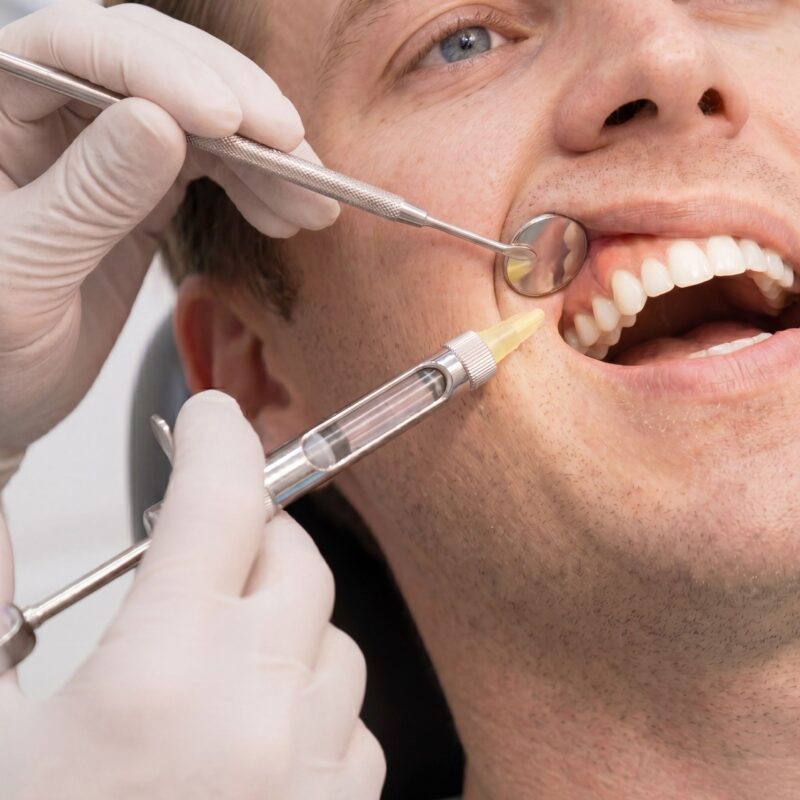
Local anaesthetic is applied or injected around the extraction site to keep you comfortable and prevent pain during the procedure.
The dentist uses a Piezotome ultrasonic surgical system to gently loosen the tooth root with ultrasonic vibrations, allowing the tooth to be removed with greater precision and minimal trauma to the surrounding tissues.

After the procedure, the dentist provides detailed guidance on eating, oral hygiene and at-home care, as well as arranging a follow-up appointment for suture removal if required.
Before
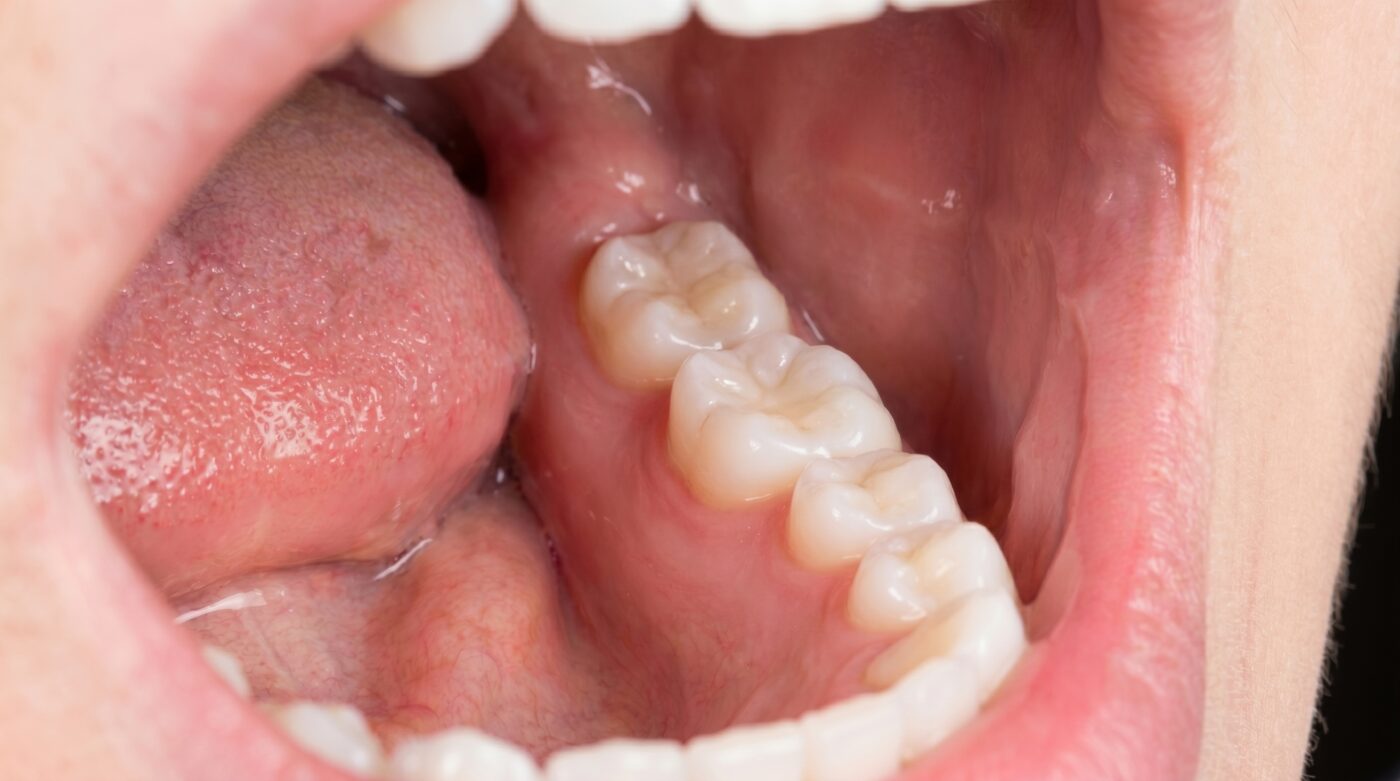
After
Everything you need to know about tooth extraction. Can't find the answer you're looking for? Please contact our friendly team.
With modern anesthesia and gentle techniques, discomfort is minimized. Most patients feel pressure rather than pain during the procedure.
Many patients recover within a few days to one week, depending on whether the extraction is simple or surgical.
Minor extractions may require 1–2 days of rest. Surgical wisdom tooth removal may need a bit longer depending on swelling and healing.
Avoid smoking, drinking through a straw, and hard foods for the first days to reduce the risk of delayed healing. Follow your aftercare instructions closely.
If it’s a functional tooth (not wisdom teeth), replacement may be recommended to maintain bite stability—options can include implants, bridges, or dentures depending on your case.