

 EN
EN VN
VN KOR
KOR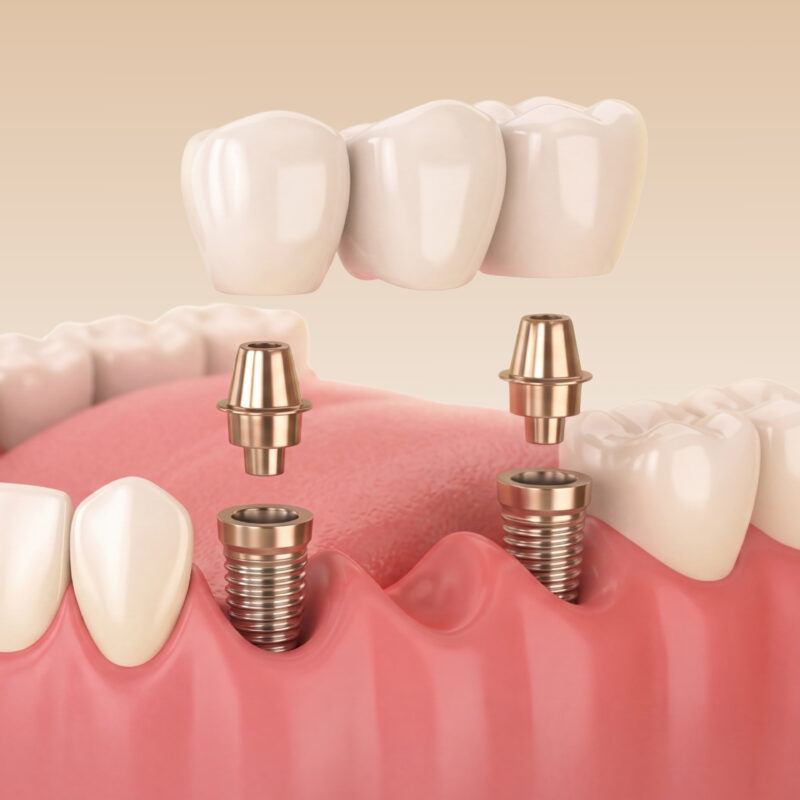
Was ist ein Zahnimplantat und ist es teuer? Dies ist eine häufige Frage vieler Menschen, die fehlende Zähne ersetzen möchten. Um die genaue Definition zu verstehen und die aktuelle Preisliste für Implantate zu erhalten, lesen Sie den folgenden detaillierten Artikel der German Dental Clinic.
1. Was ist ein Zahnimplantat?
Ein Zahnimplantat (Implantation einer künstlichen Zahnwurzel) ist heute die fortschrittlichste Methode zur Wiederherstellung fehlender Zähne.
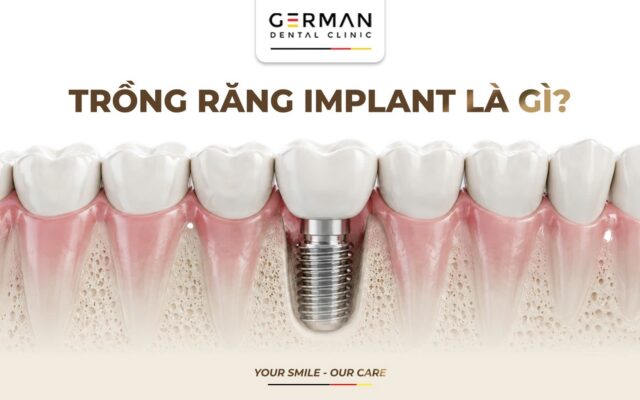
Was den Aufbau betrifft, so besteht ein vollständiger Implantatzahn aus 3 Hauptteilen:
Implantatstift (Titan): Wird direkt in den Kieferknochen eingesetzt, um die echte Zahnwurzel zu ersetzen. Das Material Titan hat eine hohe Biokompatibilität und verwächst fest mit dem Kieferknochen.
Verbindungsstück (Abutment): Ist der Verbindungsteil zwischen dem Implantatstift und der darauf befindlichen Porzellankrone.
Porzellankrone: Hat Form, Farbe und Größe exakt wie ein echter Zahn, um Kaufunktion und Ästhetik zu gewährleisten.
2. Warum sollten Sie sich für Zahnimplantate entscheiden?
Im Vergleich zu traditionellen Methoden wie Zahnbrücken oder herausnehmbarem Zahnersatz bieten Implantate herausragende Vorteile:
Verhindert Kieferknochenabbau: Dies ist die einzige Methode, die das Wachstum des Kieferknochens stimuliert und ein eingefallenes Aussehen sowie Gesichtsverformungen durch langjährigen Zahnverlust vermeidet.
Kein Eingriff an Nachbarzähnen: Es ist nicht notwendig, die beiden benachbarten natürlichen Zähne abzuschleifen, wie es bei einer Porzellanbrücke der Fall ist.
Kauen wie mit echten Zähnen: Hervorragende Belastbarkeit, so dass Sie problemlos harte und zähe Speisen essen können.
Hohe Lebensdauer: Bei richtiger Pflege kann ein Implantatzahn ein Leben lang halten.
3. Wer sollte sich für Zahnimplantate entscheiden?
Die meisten Erwachsenen mit Zahnverlust können sich diesem Eingriff unterziehen, insbesondere:
Verlust von 1 oder mehreren Zähnen: Wenn eine Wiederherstellung gewünscht wird, ohne die benachbarten natürlichen Zähne abzuschleifen (wie bei einer Porzellanbrücke).
Vollständiger Zahnverlust im Kiefer: Wenn anstelle von lockerem herausnehmbarem Zahnersatz ein festsitzendes, stabiles Gebiss gewünscht wird.
Schwer beschädigte Zähne: Karies, Pulpitis oder lockere Zähne, die nicht mehr zu retten sind und sofort gezogen und ersetzt werden müssen.
Wunsch, Knochenabbau zu verhindern: Menschen, die Angst vor einem eingefallenen Mund und Gesichtsverformungen durch langfristigen Zahnwurzelverlust haben.
4. Wer sollte keine Implantate bekommen (oder vorsichtig sein)?
- Absolute Kontraindikationen:
Kinder unter 18 Jahren: Der Kieferknochen ist noch nicht vollständig entwickelt; eine Implantation kann die Struktur des Zahnbogens verschieben.
Schwangere Frauen: Wegen der Notwendigkeit von Röntgenaufnahmen, Betäubungsmitteln und potenziellem Stress, der den Fötus beeinträchtigen kann.
Menschen mit schweren systemischen Erkrankungen: Herzinsuffizienz, Niereninsuffizienz oder Krebs im Endstadium.
- Temporäre Kontraindikationen (Erfordern eine stabile Behandlung vor dem Eingriff):
Menschen mit Diabetes / Bluthochdruck: Die Werte müssen auf einem sicheren Niveau kontrolliert werden, um eine schnelle Wundheilung zu gewährleisten und Infektionen zu vermeiden.
Starke Raucher: Rauchen verringert die Durchblutung, was leicht zur Abstoßung des Implantats führen kann (Rauchen muss mindestens 2-4 Wochen vor und nach dem Einsetzen eingestellt werden).
Ungenügende Kieferknochendichte: Wenn der Zahnverlust zu lange her ist und schweren Knochenabbau verursacht hat, ist vor dem Einsetzen des Stifts ein Knochenaufbau erforderlich.
Orale Infektionen: Karies, Gingivitis, Parodontitis müssen vollständig behandelt werden.
5. Vergleich von Implantaten mit anderen Methoden
Um Kunden die Entscheidung zu erleichtern, finden Sie unten eine detaillierte Vergleichstabelle zwischen Zahnimplantaten und den zwei gängigen traditionellen Methoden von heute:
| Kriterium | Zahnimplantat | Herausnehmbarer Zahnersatz | Zahnbrücke |
| Grad der Restauration | Stellt den fehlenden Zahn so wieder her, dass er einem natürlichen Zahn sehr ähnlich ist, einschließlich des Wurzelteils im Knochen | Stellt den Kronenteil über dem Zahnfleisch wieder her | Stellt die Zahnkrone wieder her, indem sie sich auf 2 benachbarte Zähne stützt |
| Stabilität | Hoch, fest, natürlicheres Kaugefühl | Geringer, lockert sich leicht oder verhakt sich bei der Benutzung | Ziemlich stabil, hängt aber von den Pfeilerzähnen ab |
| Kaufähigkeit | Sehr gut, fast wie bei natürlichen Zähnen | Eingeschränkter, geringere Beißkraft |
Ziemlich gut |
| Erhalt des Kieferknochens | Unterstützt den Erhalt des Kieferknochens nach Zahnverlust besser | Kann Knochenabbau nicht verhindern | Kann die Zahnwurzel nicht ersetzen, sodass der Knochenabbau weitergeht |
| Auswirkungen auf Nachbarzähne | Kein Beschleifen von Nachbarzähnen nötig | Kein Beschleifen von Zähnen nötig | Erfordert das Beschleifen von 2 benachbarten Zähnen als Pfeiler |
| Ästhetik | Natürlich, besonders geeignet für ästhetische Zonen bei korrektem Behandlungsplan | Auf einem relativen Niveau | Ziemlich gute Ästhetik |
| Langzeithaltbarkeit | Kann bei richtiger Indikation und guter Pflege sehr lange genutzt werden | Muss in der Regel nach einer gewissen Nutzungsdauer ausgetauscht werden | Ziemlich gute Haltbarkeit, hängt aber immer noch von den Pfeilerzähnen ab |
| Tägliches Nutzungsgefühl | Nah an natürlichen Zähnen, bequem bei täglichen Aktivitäten | Kann klobig oder unangenehm sein, benötigt Eingewöhnungszeit | Fest, bequemer als herausnehmbarer Zahnersatz |
| Hygiene und Pflege | Erfordert sorgfältige Hygiene und regelmäßige Kontrolluntersuchungen | Muss jeden Tag herausgenommen und gereinigt werden | Erfordert sorgfältige Reinigung unter dem Brückenglied |
| Geeignete Ausrichtung | Geeignet, wenn eine dauerhafte, ästhetische und langfristig funktionierende Restauration benötigt wird | Geeignet, wenn eine einfache, kostengünstigere Lösung benötigt wird | Geeignet, wenn man sich nicht für Implantate entscheidet und passende Pfeilerzähne hat |
6. Entscheidende Faktoren für einen erfolgreichen Implantatfall
Damit ein Implantatfall dauerhaft ist, müssen 3 “goldene” Elemente vollständig erfüllt sein:
Fähigkeiten des Arztes: Der Arzt muss über ein spezielles Implantatzertifikat und umfangreiche Erfahrung verfügen, um komplexe Situationen zu meistern.
Qualität des Implantatstifts: Verwendung renommierter Marken mit der Fähigkeit zur schnellen Knochenintegration und hoher Biokompatibilität.
Unterstützende Technologie: Moderne Ausrüstung (CT-Scanner, Navigationstechnologie, Ultraschall-Chirurgiegerät) hilft, Schwellungen und Schmerzen zu minimieren und gleichzeitig die Präzision zu erhöhen.
7. Risiken bei unsachgemäßem Einsetzen von Implantaten
Das Einsetzen von Zahnimplantaten ist eine komplexe restaurative Technik. Wenn dies nicht in seriösen Einrichtungen durchgeführt wird, können Kunden mit mehreren Risiken konfrontiert sein, wie z. B.:
Infektion im Implantationsbereich: Aufgrund unzureichender Sterilisation oder unsachgemäßer postoperativer Pflege.
Abstoßung des Implantatstifts: Aufgrund schlechter Qualität des Stifts oder einer Körperkonstitution, die mit fremden Materialien nicht kompatibel ist.
Nervenschäden: Treten auf, wenn der Arzt unerfahren ist und den Stift in der falschen Position oder Tiefe einsetzt.
8. Pflege nach dem Implantat
Um sicherzustellen, dass der Implantatstift gut einwächst und ein Leben lang hält, ist die richtige Pflege in der Anfangsphase äußerst wichtig. Nachfolgend finden Sie einen kurzen und wissenschaftlichen Leitfaden:
- In den ersten 24 Stunden
Blutung stoppen: Beißen Sie nach der Operation ca. 30 – 60 Minuten fest auf einen Wattebausch.
Kühlen: Legen Sie außen an der Wange im Implantationsbereich eine kalte Kompresse an, um Schwellungen und Schmerzen zu lindern.
Starkes Spülen vermeiden: Nicht mit Salzwasser spülen oder spucken, um das Lösen des Blutgerinnsels zu vermeiden.
- Ernährung
Weiche Speisen bevorzugen: Essen Sie in den ersten Tagen Brei, Suppe, Milch oder pürierte Speisen.
Zu heiße/kalte/scharfe Speisen vermeiden: Extreme Temperaturen können den Wundbereich reizen.
Viel Wasser trinken: Hilft, die Mundhöhle sauber zu halten und unterstützt den Genesungsprozess.
- Mundhygiene
Sanftes Zähneputzen: Vermeiden Sie in der ersten Woche den direkten Kontakt der Zahnbürste mit dem neu implantierten Bereich.
Verwendung von speziellem Mundwasser: Nach Anweisung des Arztes zur antibakteriellen Wirkung.
Keine Zahnstocher verwenden: Sollte durch Zahnseide oder eine Munddusche ersetzt werden, um die Zahnzwischenräume sicher zu reinigen.
- Dinge, die Sie unbedingt vermeiden sollten
Kein Rauchen: Für mindestens 2 – 4 Wochen nach der Operation, da Rauchen die Wundheilung verlangsamt und leicht zur Abstoßung des Implantats führt.
Keine anstrengende Bewegung: Vermeiden Sie in den ersten 48 Stunden hochintensiven Sport, um Blutungen vorzubeugen.
Die Wunde nicht mit Händen/Zunge berühren: Vermeiden Sie das Einbringen von Bakterien in den Operationsbereich.
Bei ungewöhnlichen Anzeichen wie anhaltenden Blutungen, großen, nicht abklingenden Schwellungen oder hohem Fieber wenden Sie sich für eine sofortige Behandlung umgehend an Ihren Arzt.
9. Referenz für Implantatkosten in Ho Chi Minh Stadt
Im Jahr 2026 weisen die Preise für Zahnimplantate eine deutliche Differenzierung auf, abhängig von der Implantatmarke, der Art des Porzellanzahns und dem Zustand des Kieferknochens des Kunden. Der umfassende Referenzpreis (einschließlich Stift, Abutment-Verbindung und Porzellankrone) bewegt sich in folgendem Rahmen:
- Premium-Implantatlinien (Schweiz, Deutschland, Schweden): Etwa 30.000.000 VND – 55.000.000 VND/Stift. Führende Marken wie Straumann (Schweiz) oder Nobel Biocare (Schweden) können bis zu 50 – 55 Millionen VND für spezielle Linien wie SLActive kosten.
- Gesamtkieferrestauration (All-on-4/All-on-6): Reicht von 130.000.000 VND – 450.000.000 VND/Kiefer.
All-on-4: Meist von 130.000.000 VND bis 250.000.000 VND je nach Stiftart.
All-on-6: Meist ab 180.000.000 VND aufwärts, da mehr Stützelemente benötigt werden.
Zusätzliche anfallende Kosten
Je nach tatsächlichem Zustand des Patienten nach einer CT Cone Beam-Aufnahme kann der Arzt zusätzliche ergänzende Verfahren verschreiben:
- Künstlicher Knochenaufbau: Etwa 10.000.000 VND – 15.000.000 VND/Position (abhängig vom Grad des Knochenabbaus).
- Sinuslift (geschlossen/offen): Reicht von 20.000.000 VND – 30.000.000 VND/Seite.
- Chirurgische Bohrschablone: Wird personalisiert für jede Operation entworfen und ist in den Behandlungskosten enthalten
10. Ist die German Dental Clinic eine seriöse Adresse für Zahnimplantate?
In der German Dental Clinic bringen wir deutsche Zahnarztstandards nach Vietnam, um Ihrem Lächeln zu dienen. Wir verfolgen eine methodische Behandlungsorientierung und konzentrieren uns auf Genauigkeit, Sicherheit und einen personalisierten Plan für jeden Fall. Anstatt uns nur auf das Endergebnis zu konzentrieren, werden der Prozess der Untersuchung, Diagnose und Nachbeobachtung als ebenso wichtige Teile der gesamten Reise zur Wiederherstellung fehlender Zähne betrachtet.
- Expertenteam: Die German Dental Clinic ist stolz darauf, ein Team von Experten zusammenzustellen, das in führenden medizinischen Hochburgen wie Deutschland, Russland, der Türkei usw. bestens ausgebildet und spezialisiert ist. Die Kombination aus internationaler Erfahrung und einem Verständnis der vietnamesischen Bedürfnisse hilft uns, sichere, weltweit standardisierte Behandlungspläne zu liefern.
- Moderne Technologie: Bildgebende Diagnosesysteme und sterile Operationssäle auf internationalem Standard.
- Premium-Implantatstifte: Verpflichtung zur Verwendung von Implantatlinien, die direkt aus Deutschland und der Schweiz importiert werden, mit einer transparenten Garantiepolitik.
- Engagierte Betreuung: Jeder Kunde in der German Dental Clinic hat einen separaten professionellen Assistenten, der ihn von der Beratung über den Behandlungsprozess bis hin zur Perfektionierung des Lächelns begleitet und sicherstellt, dass alle Anfragen immer beantwortet werden.
Wenn Sie auf der Suche nach einer renommierten Zahnklinik in Ho Chi Minh Stadt sind, können Sie die German Dental Clinic kontaktieren über:
Zweigstelle Bezirk 7 (Phu My Hung): Nr. 46-48 Straße P, Stadtgebiet Phu My Hung, Bezirk Tan Hung, HCMC
Hotline: 0946488989
Zweigstelle Bezirk 2 (Thao Dien): An Phu Gebäude, 43-45 Thao Dien, Bezirk An Khanh, HCMC
Hotline: 0943458699
Zweigstelle Bezirk 3: Endovina Gebäude, 146 Nguyen Dinh Chieu, Bezirk Xuan Hoa, HCMC
Hotline: 0948678699
Die German Dental Clinic freut sich, Ihnen und Ihrer Familie ein gesundes Lächeln zu bringen! Wählen Sie die German Dental Clinic, um noch heute in Ihre Mundgesundheit zu investieren!