
 DE
DE VN
VN KOR
KOR 中文
中文
DENTAL IMPLANTS
A permanent, natural-looking tooth replacement — strong, stable, and crafted with German precision.
DENTAL IMPLANTS
4.1 DENTAL IMPLANTS
Introduction:
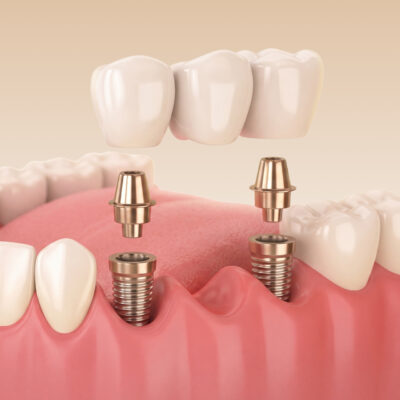
Dental implants are considered a breakthrough achievement in modern dentistry - the only solution that can fully restore both the root and the crown of a tooth.
Why Choose Dental Implants?
Why Choose / Key Benefits:
Comprehensive Restoration
Titanium posts integrate rapidly with bone, providing absolute stability and confidence when eating. Implants function and feel just like natural teeth.
Natural Appearance
Implants are custom-designed - shape, size, and color perfectly harmonize with your remaining teeth. Your smile appears radiant and natural.
Enhanced Quality of Life
Implants provide comfortable chewing and clear speech. This is a worthy investment to elevate your quality of life.
Benefits of Dental Implants
Dental implants provide a stable, highly effective tooth replacement solution that restores both aesthetics and chewing ability. Implants are used for single teeth, multiple teeth, or full-arch restoration.
Service For:
Single or Multiple Missing Teeth
Replace one or more missing teeth with sturdy support posts.
After Tooth Extraction
In certain indicated cases, implants can be placed immediately after extraction.
Seeking a Long-Term Solution
A durable choice with high stability when properly maintained.
Loose Dentures / Poor Chewing
Implant-supported solutions for better stability.
Full-Arch Replacement
Support fixed bridges or implant-retained dentures.
Complex Cases (Bone Loss)
May require bone grafting and specialized planning.
Treatment Steps
Step 1 - Examination & Cone Beam CT
Determine jawbone structure and establish the treatment plan.
Step 2 - Oral Hygiene & Surgical Guide Try-In
The surgical guide provides support tools for a precise, gentle, and well-planned implant procedure.
Step 3 - Implant Placement Surgery
The dentist places the titanium post into the jawbone (approximately 15-30 minutes per post).
Step 4 - Healing Monitoring
After implant placement, the dentist monitors the healing process and arranges temporary restoration if appropriate.
Step 5 - Follow-Up & Abutment Placement
After 3-6 months depending on the case, the dentist evaluates implant stability, places the abutment connector, and proceeds with the porcelain crown restoration.
Step 6 - Maintenance & Regular Follow-Up
Proper checkups and hygiene protect the implant and surrounding tissues long-term.
Before and After Dental Implants
Frequently Asked Questions
Q: Is the implant procedure painful?
Post placement typically causes little pain. Most patients feel little to no pain the next day, with only mild swelling around the site.
Q: Is anesthesia needed?
Most cases are performed under local anesthesia. For complex cases (significant bone loss requiring grafting), sedation may be used.
Q: How long can dental implants last?
Clinical studies have shown that dental implants can last up to 25 years. Success rates are typically reported above 95%, with stability confirmed after many years.
Q: What can cause implant failure?
The most common cause is infection leading to bone loss around the implant (peri-implantitis) - more common in patients with poor oral hygiene.
Q: Why are implants more expensive than crowns?
Implant treatment involves multiple appointments, surgical placement, possible bone grafting, and laboratory work to design the crown/bridge - all contributing to the higher cost.
Q: Can implants replace all natural teeth?
Yes. Dental implants can support fixed bridges or implant-retained dentures, often providing a much more comfortable chewing experience.